A solar system should do more than look good on the roof. It should be designed around how your property uses electricity, installed safely, and supported properly once the scaffolding has gone. An MCS solar panel installation gives homeowners and businesses a recognised route to all three, while helping to protect access to export payments for surplus electricity.
For properties across London, Hertfordshire, Bedfordshire and Buckinghamshire, MCS is often a sensible starting point when comparing solar quotes. It is not a badge to accept without questions, but it is a valuable assurance that the installation has been specified, fitted and documented under an established quality framework.
Why MCS certification matters
MCS, formerly the Microgeneration Certification Scheme, sets standards for renewable-energy products and installation work. For solar PV, it applies to the equipment used and the certified contractor carrying out the work. The purpose is straightforward: systems should be designed for the property, installed by competent professionals and handed over with the information needed to operate and maintain them.
For many property owners, the practical reason to choose an MCS-certified installer is the Smart Export Guarantee, usually called SEG. This is the scheme through which energy suppliers may pay for electricity exported from your solar system to the grid. Supplier terms and tariffs vary, but an MCS certificate is commonly required as part of an application. Without the right installation paperwork, a system that generates well may still be harder to register for export payments.
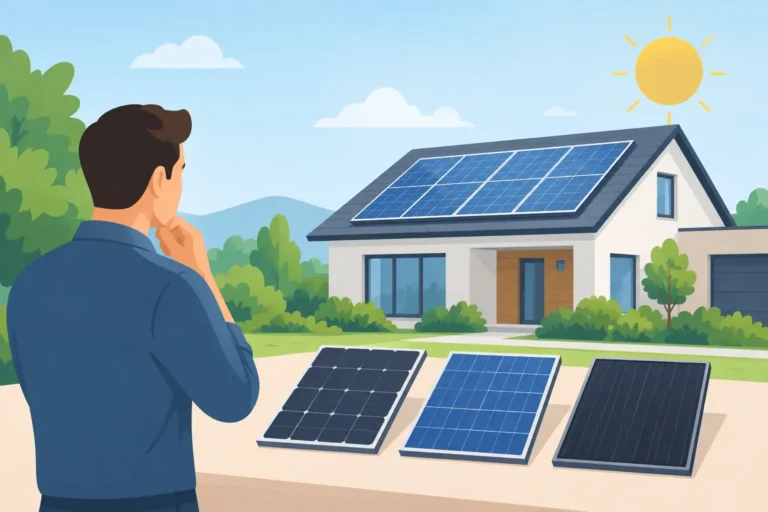
MCS also brings a more disciplined process. A proper survey considers roof orientation, shading, available roof area, the condition of the roof, cable routes, inverter location and your existing electrical supply. These details affect both generation and safety. A south-facing roof may produce strongly through the day, but an east-west arrangement can better match a household that uses power in the morning and evening. There is no single best layout for every home.
Certification is not a substitute for good judgement. It does not mean every MCS quote offers the same panel quality, battery capability, warranty terms or level of aftercare. It does mean there is a defined standard to work to and documentation to expect at the end of the job.
What an MCS solar panel installation should include
A reliable installation starts before any equipment is ordered. The survey should establish what the building can support and what you want the system to achieve. Lower bills, charging an EV, maximising self-use, supporting a heat pump and keeping essential circuits powered during an outage all call for slightly different system designs.
A survey based on your property and usage
A competent installer will assess the roof structure and covering, not just measure the available space. They should identify shading from chimneys, dormers, neighbouring buildings and mature trees, as even partial shade can reduce output if the system has not been designed to manage it.
Your electricity consumption matters just as much. Reviewing bills and, where available, half-hourly usage data can reveal whether you use most electricity during daylight hours or after work. A family working from home may use a larger share of solar generation directly. A household that is empty during the day may gain more from a battery or a tariff that rewards export. Solar remains worthwhile in both cases, but the financial case is different.
The electrical side deserves equal attention. Your consumer unit, earthing arrangement, incoming supply capacity and potential cable routes need checking before a final design is agreed. Solar PV is an electrical installation first and a roof installation second. Neat containment, correctly sized protection devices and accessible isolation points are not optional extras.
A clear design and quotation
The proposal should explain the panel capacity in kWp, estimated annual generation, inverter type, likely self-consumption and any battery storage included. Estimates should be realistic rather than based on the sunniest possible year. Ask what assumptions have been made about shading, electricity prices and your expected usage, particularly if savings figures are prominent in the quotation.
It should also make clear what is and is not included. Scaffolding, bird protection, roof repairs, consumer-unit work, monitoring equipment, battery installation and any export-limitation equipment can all affect the final cost. A cheaper quote is not necessarily better value if essential electrical work is left to be priced later.
Network approval and installation paperwork
Connecting solar PV to the electricity network requires the relevant notification or approval process with the local distribution network operator, often referred to as the DNO. Smaller systems may be notified under G98 once installed, while larger or more complex systems can need approval under G99 before work begins. The route depends on the design and the local network, so it should be confirmed early rather than treated as an administrative afterthought.
The completed system should come with its MCS certificate, electrical installation certificate, commissioning information, product warranties and operating guidance. You should also receive information needed to set up monitoring and apply for an SEG tariff if you wish to export electricity. Keep this paperwork safely. It may be useful for future warranty queries, property sales and changes to your energy supplier.
Commissioning that proves the system is working
Commissioning is where the design becomes a working system. The installer should test the electrical installation, confirm that the inverter communicates correctly and show you how to read the monitoring platform. You should know how much power the panels are producing, how much your home is using, whether a battery is charging and when power is being exported.
This is also the time to understand normal behaviour. Solar output changes with seasons, cloud cover and temperature. On a bright spring day, panels may produce more than on a very hot summer day, as excessive heat can reduce their efficiency. A good handover gives you confidence in what to expect without encouraging unrealistic promises.
Pairing solar with batteries, EV charging and backup
Solar panels generate electricity when daylight is available. A battery stores spare generation for later, which can increase the proportion of solar power used within the property. It can also charge from the grid at lower-cost times where a suitable time-of-use tariff is available. Whether a battery pays back quickly depends on your usage pattern, tariff, export rate and the size of the solar system.
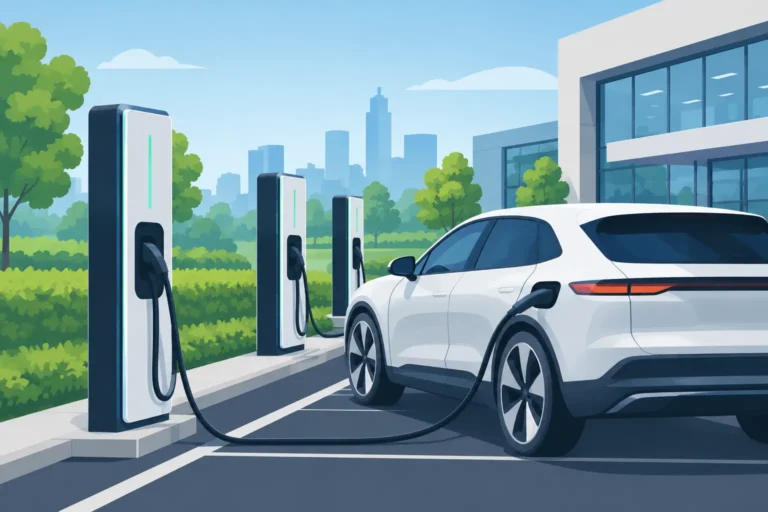
An EV charger can also be part of the same plan. Smart charging can prioritise lower-cost electricity or surplus solar where appropriate, although the charging speed and solar output will not always match. The system needs to be designed so that charging, battery operation and household demand work sensibly together rather than competing for available power.
Backup power needs particular care. A standard solar-and-battery system does not automatically keep the house running when the grid fails. For safety, most systems shut down during an outage unless they are specifically designed with an emergency power supply or full house backup arrangement. Essential-circuit backup may cover lighting, refrigeration, broadband and selected sockets. Full house backup requires a more detailed assessment of peak loads, supply arrangements and the equipment you expect to run. It is a valuable resilience feature, but it should be specified honestly.
Choosing an installer with confidence
Ask who will carry out the survey, electrical work and commissioning, and whether the company will manage the DNO process and final documents. You should also ask about workmanship cover, equipment warranties and what happens if you need support after installation. Solar is a long-term investment, so local accountability matters.
Home EESS combines MCS-backed solar work with the wider electrical expertise needed for batteries, EV charging, consumer-unit upgrades and backup systems. That joined-up approach is especially useful where a property is being renovated, an older electrical installation needs attention, or resilience is as important as energy savings.
The right system is the one that suits your roof, your electrical supply and the way you live or work. Start with a careful survey and clear questions, then choose an MCS solar installation designed to keep delivering long after the first sunny day.