A bright spring afternoon can produce more solar electricity than your home can use. The question is what should happen next. In the solar diverter versus batteries decision, both options make better use of surplus generation, but they do very different jobs. One heats water. The other stores electricity for later. Choosing well depends on your household routines, heating system, electricity tariff and whether keeping the lights on during a power cut matters to you.
For many properties, the right answer is not an either-or decision. A correctly designed solar system can prioritise the loads that bring the greatest value, while keeping the installation safe, practical and ready for the future.
Solar diverter versus batteries: the key difference
A solar diverter monitors the electricity flowing between your property and the grid. When your panels are generating more than your home is using, it sends that surplus power to an immersion heater in your hot-water cylinder. Rather than exporting the electricity, you turn it into stored hot water.
A battery stores surplus electricity as electricity. You can then use it later in the evening, overnight or at times when solar production is low. Depending on the system design, a battery can also charge from the grid at lower-cost tariff periods and supply selected circuits, or even the whole property, during an outage.
That difference shapes the decision. A diverter is a focused way to reduce the fuel needed to heat stored water. A battery is a more flexible energy-management system that can support household electricity demand, EV charging strategies and resilience.
When a solar diverter makes sense
A diverter can be an excellent fit where a property has a hot-water cylinder with an electric immersion heater and regular demand for hot water. It is relatively straightforward equipment with a clear purpose: make use of otherwise-exported solar energy to heat the cylinder.
It is often particularly attractive for homes using gas or oil for heating, where solar-heated water can reduce boiler run time in sunnier months. It may also suit households that are home during the day and produce more solar electricity than they can immediately consume.
The value is most easily felt from late spring to early autumn. On good solar days, a diverter can provide a useful contribution to hot water without drawing energy from the grid or firing the boiler. It does not create more solar electricity, of course, but it directs surplus generation to a job the home already needs done.
There are limits. A diverter is only useful if you have a compatible cylinder and enough capacity to absorb the heat. Once the cylinder reaches temperature, it cannot take any more energy. It also does not run kitchen appliances after sunset, charge an EV overnight or provide backup power in a grid failure.
Heat pumps need careful consideration
If your property has a heat pump, a diverter may still have a role, but the numbers deserve closer attention. Heat pumps can produce several units of heat for each unit of electricity consumed, particularly when heating water efficiently at lower temperatures. Sending solar electricity to a heat pump at the right time may therefore deliver more hot water than using an immersion heater directly.
This is where controls, cylinder temperatures and the heat-pump manufacturer’s guidance matter. A site-specific assessment prevents one energy-saving measure from working against another.
When a battery is the better investment
A battery usually makes more sense when your priority is using more of your solar power across the whole home. Instead of limiting surplus energy to hot water, it can cover evening electricity use such as cooking, lighting, television, refrigeration and laundry. It can also support a well-planned EV charging setup.
For homes on a time-of-use electricity tariff, a battery can be charged when grid electricity is cheaper and used when rates are higher. The potential benefit depends on tariff pricing, household consumption, battery size and the controls installed. It should be modelled realistically rather than assumed.
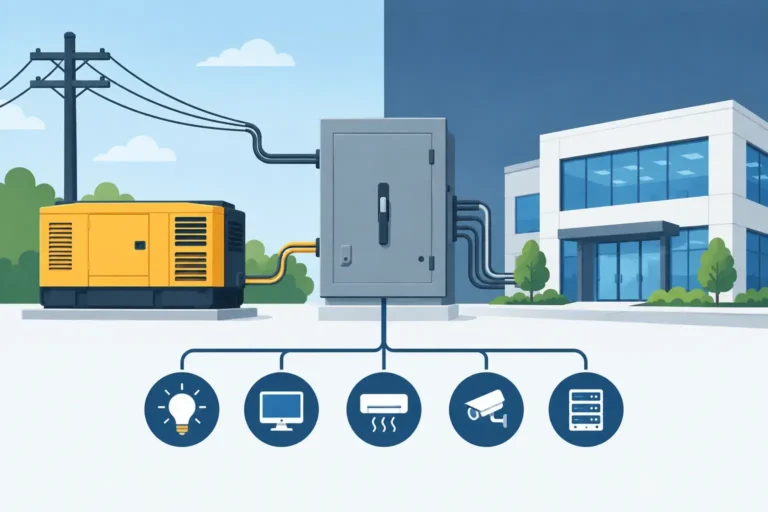
Batteries are also the stronger choice for resilience. A standard solar PV system normally switches off during a power cut to protect people working on the electricity network. A battery alone does not automatically change this. To supply power during an outage, the system needs correctly specified backup equipment, isolation arrangements and a clear plan for what it will power.
That may mean an emergency power supply for essential circuits, such as lighting, broadband, refrigeration and sockets. For households that need greater certainty, a full house backup design can be considered. The latter needs detailed electrical assessment, because high-demand loads such as electric showers, ovens, heat pumps and EV chargers can place significant demands on the system.
Cost, savings and payback are not identical
A diverter generally costs less to install than a battery, assuming a suitable cylinder and immersion heater are already in place. This lower starting cost can make it a sensible way to increase solar self-consumption.
A battery requires more capital investment and careful electrical design, but it has more ways to create value. It can save exported solar for later, make use of off-peak tariffs and add a layer of protection during power cuts when paired with the correct backup equipment. Its usefulness is not limited to the heating season or to the capacity of a hot-water cylinder.
Neither option has a universal payback period. Export rates, import tariffs, solar generation, household consumption, hot-water demand and fuel costs all change the calculation. A family with high evening electricity use may gain far more from a battery than from a diverter. A household with a large cylinder and modest electricity demand may see strong practical value from solar-heated water.
It is also worth considering what you would otherwise export. If your export tariff pays a worthwhile rate, diverting every spare unit to hot water may not always be the best financial choice. Good controls can be configured around your priorities, rather than simply assuming that export is wasteful.
Can you install both?
Yes. In many homes, a battery and diverter can complement each other, provided the system is designed with clear priorities. For example, the battery might be allowed to charge first to cover evening electricity demand, with remaining surplus sent to the immersion heater. In another property, hot water may take priority because the cylinder is central to the household’s heating and hot-water arrangement.
The important point is that the equipment should not compete blindly for the same surplus. The inverter, battery, diverter and any EV charger need coordinated controls. Without this, the result can be disappointing savings or unnecessary grid imports.
A combined approach is often most appropriate for larger solar arrays, homes with substantial daytime generation, or properties being renovated where the electrical installation is already being upgraded. It can also be staged. A homeowner might fit solar and a diverter first, then add battery storage when usage patterns, budget or backup requirements justify it.
Questions to answer before choosing
Start with the property rather than the product. Do you have a hot-water cylinder and immersion heater? How much electricity do you use after sunset? Are you on, or willing to move to, a time-of-use tariff? Do you have an EV now or plan to buy one? Most importantly, is your aim lower bills, reduced boiler use, power-cut protection or a combination of all three?
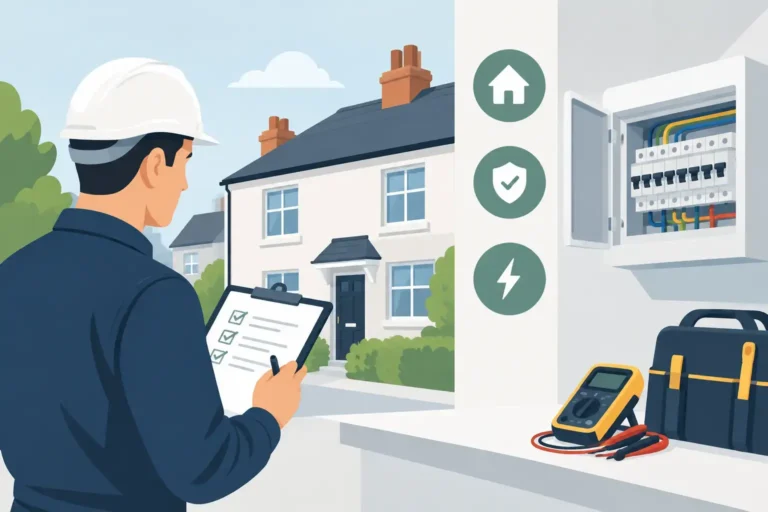
Your existing consumer unit, earthing arrangement, solar inverter capacity and available installation space also matter. Battery storage and backup systems must be specified and installed properly. They are not simply an add-on to be selected by capacity alone.
For landlords and small businesses, the pattern of occupancy is especially relevant. A building that is busy throughout the day may use solar directly and have less surplus to store. A property with evening demand, refrigeration or critical equipment may place greater value on storage and backup capability.
Choose the system around the outcome
A solar diverter is a practical, cost-conscious solution when your aim is to heat stored water with surplus solar. A battery is the more versatile choice when you want to shift solar electricity into the evening, benefit from flexible tariffs or build towards emergency power and full house backup.
Home EESS assesses the complete electrical picture, not just the headline product. A proper survey can show where your solar energy goes now, what your property can accommodate safely and which combination will deliver worthwhile savings and peace of mind for years ahead.