A power cut changes the kitchen from the most useful room in the house to the one you miss most. The fridge and freezer need protecting, the kettle is suddenly unavailable, and an electric hob, oven or microwave may be out of action just when you need a hot meal. An EPS kitchen backup is designed to keep selected kitchen circuits supplied from a battery system when the grid fails, giving your household practical power when it matters.
The key word is selected. Backing up a kitchen is not simply a case of connecting every appliance to a battery. Kitchens often contain some of the highest-demand electrical loads in a property. A well-designed system focuses on the essentials, matches the battery and inverter to realistic use, and keeps the installation safe, compliant and straightforward to operate.
What an EPS kitchen backup can power
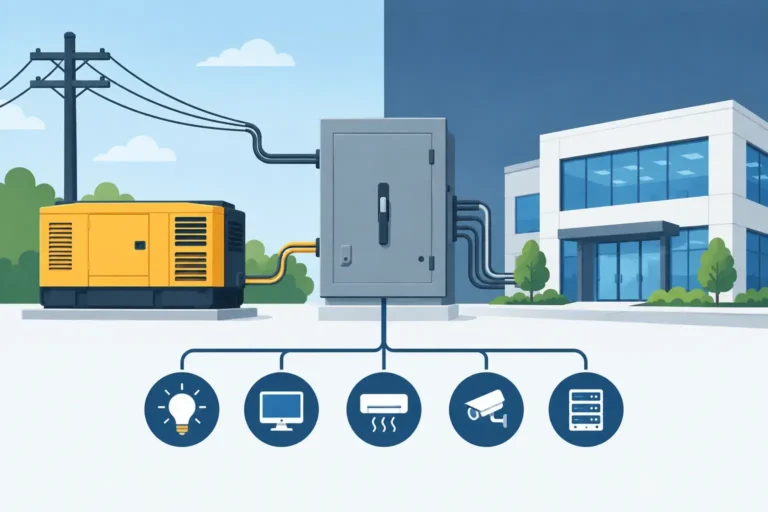
EPS stands for Emergency Power Supply. In a solar and battery installation, it is the backup output that takes over during a grid outage. Depending on the equipment specified, it can supply a dedicated backup consumer unit or selected circuits from your existing board.
For many homes, the most useful kitchen backup circuits are the fridge-freezer, lighting, broadband equipment, a few socket outlets and, where capacity allows, a microwave or kettle. This keeps food cold, provides light and lets you charge mobile phones or use essential small appliances. If your heating controls are also backed up, the system can help maintain comfort elsewhere in the home as well.
The appliances that require careful consideration are electric ovens, induction hobs, electric showers, immersion heaters, tumble dryers and large American-style fridge-freezers. An induction hob can draw several kilowatts, while an oven may operate for an extended period. These loads can quickly exceed the output of a standard battery inverter or drain the available battery capacity.
That does not mean full cooking facilities are impossible during an outage. It means the system must be specified around the intended use. A larger battery, suitably rated inverter and a full house backup design may support more of the kitchen, but this needs a proper assessment of maximum demand, cable sizes, protective devices and the way the household uses electricity.
EPS kitchen backup: essential circuits versus full house backup
There are two common approaches. The first is an essential-circuits solution. A dedicated backup board supplies only the agreed circuits when the grid fails. This is often the most cost-effective and dependable option for households that want to protect food, communications, lighting and a modest level of kitchen use.
The second is full house backup. This is designed to maintain power to much or all of the property, subject to the capacity of the inverter, battery and any load-management arrangements. It offers more flexibility, but it needs more detailed planning. High-demand appliances may still need to be managed carefully, particularly if the outage is prolonged or solar generation is low.
For a kitchen, essential-circuits backup is usually the sensible starting point. You can retain the fridge-freezer, lighting and a designated socket circuit without asking a battery system to run every major appliance at once. A full house backup may be right for larger properties, homes with frequent outages, households with medical or business-critical requirements, or owners who want the widest possible resilience.
Battery capacity is only part of the calculation
It is tempting to choose a battery by looking only at its storage figure in kilowatt-hours. Capacity matters, but it is not the whole picture. A 10 kWh battery may store a useful amount of energy, yet the inverter’s power output determines how many appliances can run at the same time.
As a simple example, a fridge-freezer uses relatively little energy over time, although it draws more power briefly when its compressor starts. Kitchen lighting, a router and mobile phone chargers add little. A kettle may use around 2 to 3 kW while boiling, and a microwave can also create a significant short-term load. Add an induction hob and the demand rises quickly.
The right question is not simply, “How big is the battery?” It is, “What must remain on, what might be used occasionally, and what can wait until the grid returns?” A good design accounts for normal running loads, start-up currents, expected outage duration and the possibility of poor solar generation in winter.
Solar panels can extend your backup time during daylight, but they should not be treated as guaranteed emergency generation. On a dull winter day, output may be limited. Your battery should be capable of carrying the essential loads you have chosen, with solar acting as valuable additional support when conditions allow.
A sensible kitchen priority order
Start by protecting appliances and circuits that prevent immediate disruption or loss. Refrigeration and lighting are usually first, followed by selected sockets for the router, mobile phone charging and small appliances. Cooking loads can then be considered according to the available inverter output and the household’s expectations.
This approach also makes everyday operation easier. During a power cut, you know which outlets are backed up and which appliances should remain off. Clear labelling is not a small detail – it helps everyone in the property use the system safely and avoid overloading it.
Safe installation matters in a kitchen
An EPS system must isolate from the public grid during an outage. This protects electricity network workers and ensures the property does not export power onto a network that is being repaired. The changeover arrangement, earthing method and protective devices must all be designed for the property and the equipment installed.
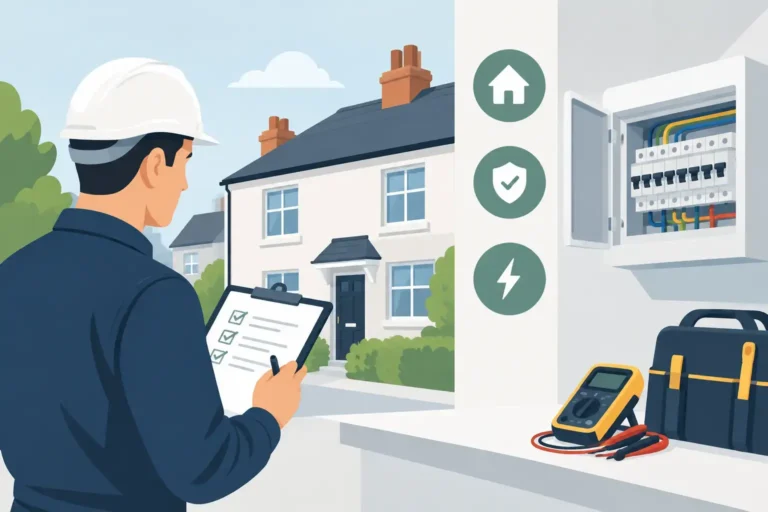
Kitchens also require particular care because they combine electricity, water, heat and high-power appliances. The existing consumer unit may need assessment or upgrading before solar, storage and backup circuits are added. Older wiring, limited board capacity or unsuitable earthing arrangements should be addressed rather than worked around.
A professional installer will review the property’s electrical installation, identify which circuits can be backed up, calculate expected loads and confirm the inverter’s EPS capability. Not every solar battery system provides the same backup performance. Some offer only a limited emergency socket; others support dedicated circuits or full house backup. The detail makes a substantial difference when the lights go out.
At Home EESS, this planning is handled as part of the wider electrical design, rather than treating the battery as a standalone add-on. That gives homeowners a clearer route from initial survey to safe installation and ongoing support.
What happens when the grid fails?
In a correctly designed installation, the backup supply detects the loss of grid power and switches to battery operation. There may be a brief interruption while the system changes over. The exact changeover time depends on the equipment, so sensitive devices should be considered during design.
Once running in backup mode, the battery supplies the designated circuits. If solar is available and the system supports solar operation during an outage, generation may help charge the battery or serve the loads. If the battery reaches its minimum reserve level, the EPS supply will shut down to protect the battery.
This is why a reserve setting is worth discussing. Some owners prefer to use most stored energy each evening to reduce electricity purchases. Others retain a percentage in reserve for outages. There is a trade-off: a larger reserve provides more resilience, but leaves less battery energy available for daily bill savings. The best setting depends on how reliable the local supply is and how highly you value emergency power.
Planning an EPS backup for your kitchen
Before requesting a quotation, think about what a successful power cut would look like in your home. Would you be satisfied with refrigeration, lights and a kettle? Do you need to prepare meals electrically? Is your kitchen part of a larger full house backup requirement that includes heating controls, office equipment, alarms or medical equipment?
It is also worth considering future changes. A kitchen extension, new induction hob, electric underfloor heating or EV charger can alter the property’s electrical demand. Designing with those plans in mind can avoid unnecessary alterations later.
During a site survey, an experienced electrical contractor should inspect the consumer unit, incoming supply, existing circuits and proposed battery location. They should explain which circuits will remain live in an outage, identify any limitations plainly and provide an installation that is fully tested, labelled and handed over clearly.
A well-planned EPS kitchen backup will not make a power cut disappear, nor should it promise to run every high-demand appliance without limits. What it can do is protect the practical essentials: your food, lighting, communications and a usable level of kitchen power. That is the kind of resilience that turns a disruption into a manageable inconvenience.