A consumer unit is not a decorative upgrade hidden in a cupboard. It is the safety-critical point that protects every circuit in your property. For that reason, consumer unit upgrade cost should be considered alongside the condition of the existing wiring, the circuits you need today and any plans for solar, battery storage, EV charging or home backup.
For many homes, replacing an older fuse box with a modern consumer unit is a straightforward job. For others, it exposes faults or limitations that need attention before new technology can be connected safely. A clear quotation should explain the difference, rather than offering one low figure that leaves essential work to be discovered later.
Typical consumer unit upgrade cost in the UK
A like-for-like consumer unit replacement in a property with sound, compliant wiring will often fall in the region of £650 to £1,200 including supply, installation, testing and certification. The final figure depends on the size and specification of the board, the number of circuits, access, location and the condition of the installation.
Where circuits need repair, additional protection is required or the work forms part of a wider electrical project, costs can reasonably rise to £1,200 to £2,000 or more. Larger homes, commercial premises and properties preparing for solar, batteries, EV chargers or full house backup need a more detailed design and should be priced on site.
These ranges are useful for budgeting, not a substitute for an electrical survey. A responsible contractor needs to assess the existing installation before confirming what can safely be retained and what must be improved.
What a proper consumer unit upgrade should include
The consumer unit itself is only one part of the job. Modern boards use protective devices designed to reduce the risk of electric shock, fire and damage caused by faults. The installation must then be inspected and tested to confirm that each circuit operates correctly with that protection.
A quality quotation should normally cover:
- A suitably sized, current-standard consumer unit and protective devices.
- Safe isolation, removal of the existing board and professional installation.
- Labelling of circuits and the required safety notices.
- Inspection and testing of the installation connected to the new board.
- An Electrical Installation Certificate and notification where required.
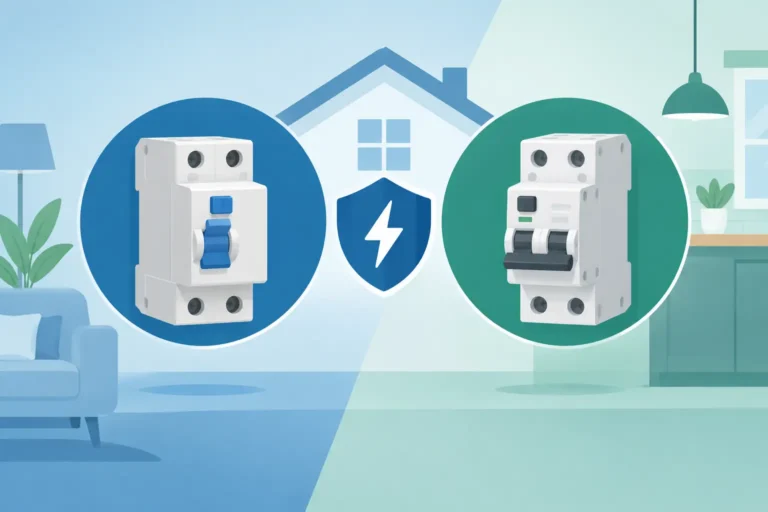
The specification matters. For example, surge protection can help protect sensitive electronics from transient overvoltage, while RCBO protection gives each circuit its own residual-current protection. This can reduce the chance of one fault taking out power to the whole property. These are practical safety and reliability decisions, not simply optional extras.
Why prices vary between properties
The biggest influence on price is usually not the new board. It is what the electrician finds around it.
Older properties across London and the Home Counties can have circuits added in stages over several decades. Cable sizes may be unsuitable for their stated protective device, connections may need correcting, or an old circuit may fail test results. These issues are not created by the upgrade, but testing may reveal them. They need resolving before a new consumer unit can be certified safely.
The number and type of circuits also affect the design. A compact flat with a small number of final circuits is different from a family house with separate kitchen, utility, garage, outbuilding, heating and lighting circuits. An existing or planned electric shower, induction hob, air-conditioning system or workshop supply can add to the required capacity.
Access can make a genuine difference too. A board in a clear utility cupboard is simpler to replace than one located behind fixed joinery, in a confined understairs space or beside services that require careful protection. Properties with multiple consumer units, a landlord supply arrangement or three-phase electricity require more planning again.
When the electrical installation needs extra work
A consumer unit upgrade is often the right moment to address known electrical concerns. It is not always a full rewire, and a good contractor will not recommend one without evidence. Equally, fitting a new board onto poor or unsafe existing circuits is not an acceptable shortcut.
Additional work may be needed where insulation resistance tests identify deteriorated cable insulation, earthing or bonding is inadequate, circuits have no effective protective conductor, or previous alterations are not installed correctly. Damaged accessories, unsuitable connections and old wiring methods can also need attention.
If your property has an old fuse board with rewireable fuses, frequent tripping, scorch marks, buzzing, damaged covers or circuits that cannot be clearly identified, arrange an inspection rather than assuming a simple replacement will solve the problem. Safety comes first, particularly in rental properties and busy family homes.
Electrical reports and fixed-price quotations
For a property with uncertain wiring condition, an Electrical Installation Condition Report can be a sensible first step. It provides evidence of the installation’s present condition and helps identify remedial work before the consumer unit is changed.
For more straightforward projects, a site visit and visual assessment may be enough to prepare a clear quotation. Either way, ask what assumptions the price is based on, whether testing and certification are included, and how any previously hidden defects will be discussed and approved. That clarity protects the customer and allows the contractor to deliver uncompromised work rather than rushing to meet an unrealistic figure.
Planning for solar, battery storage and EV charging
A consumer unit upgrade can be particularly valuable when you are adding energy technology. Solar PV, battery storage and EV charging introduce new loads, generation connections and protection requirements. They should be designed as part of the wider electrical system, not fitted as isolated additions.
For solar, the installer must consider the generation connection, cable routes, isolation and the capacity of the existing electrical arrangement. Battery storage can require dedicated protection and careful thought about where essential circuits sit. An EV charger may need load management so charging works reliably without overloading the incoming supply at peak demand.
If resilience is a priority, the consumer unit arrangement becomes even more important. An emergency power supply usually supports selected essential circuits during an outage. Full house backup is a more involved design that considers demand across the property, battery capacity, switching equipment and how the installation behaves when the grid is unavailable. In both cases, a modern, well-organised board helps create a safer and more dependable foundation.
It can be cost-effective to plan these requirements before the consumer unit is replaced. Allowing for spare ways, suitable protective devices and future cable routes may avoid avoidable disruption later. However, buying the largest board available is not automatically the best answer. The right solution is sized around your actual circuits, future plans and available supply capacity.
How to compare consumer unit upgrade quotes
The lowest quote is not always the lowest overall cost. A price can look attractive because it excludes testing, certification, surge protection, fault rectification or the work needed to leave the installation safe. These omissions can become expensive once the job is underway.
Compare the board specification and number of ways, the protection being provided, whether the price includes inspection and test results, and whether certificates are issued on completion. Check that the contractor is qualified and able to notify relevant work correctly. For solar, storage and backup projects, choose a team that understands both electrical installation and the way these systems interact.
It is also worth considering support after installation. Clear circuit labelling, handover information and a contractor who remains available are valuable when you later add an EV charger, alter a kitchen or need help understanding a battery-backed supply.
Is it worth upgrading before a problem occurs?
If a consumer unit is old but the installation tests well, replacement can still be worthwhile when you want modern circuit protection, clearer isolation and capacity for planned improvements. It is often easier to schedule the work during a renovation, before a kitchen refit, or alongside solar and battery installation than to wait for a fault or urgent requirement.
Home EESS approaches consumer unit upgrades as part of the complete electrical picture. The aim is not simply to fit a new board, but to leave your property safer, properly tested and ready for the energy choices that matter to you. A site-specific assessment will give you the most reliable price and, more importantly, confidence that the work supports your home for years ahead.