A vacant period is often the best time to improve a rental home. Floors are accessible, cupboards can be cleared and electrical work can be completed without disrupting a tenant’s routine. Rental property electrification turns that window into a practical investment: lower running costs, a more attractive home and a better foundation for changing energy standards.
For landlords, the objective is not to install every available technology. It is to specify the right measures for the building, its electrical supply, the likely tenant and the budget. A well-planned project can combine efficient electric heating, solar generation, battery storage and EV charging with the essential electrical upgrades that make each system safe and dependable.
Start with the property, not the products
Electrification works best when it follows a proper assessment. An older terrace with limited insulation, a modern flat with a small consumer unit and a larger family house with off-street parking will each need a different approach.
Begin with the building fabric. Loft insulation, draught reduction, suitable glazing and heating controls reduce heat loss before a new heating system is considered. Electricity is valuable, so there is little sense in using more of it than the property needs. Improving the fabric can also help support EPC performance and make an electric heating system more affordable for tenants to run.
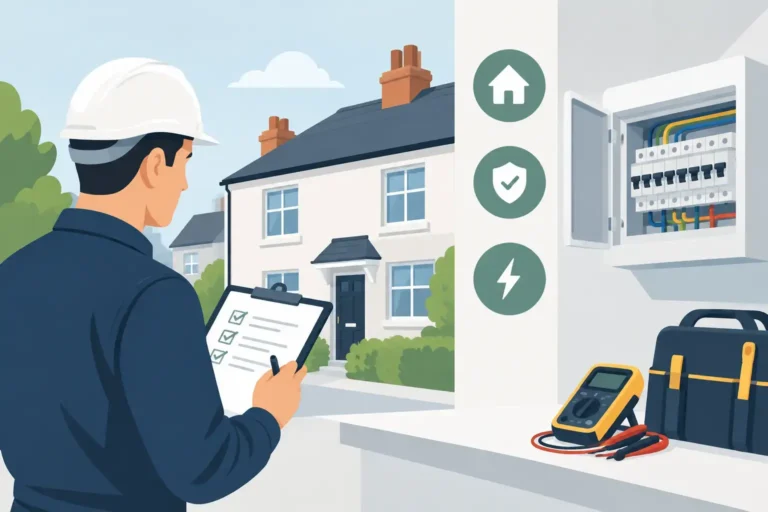
The existing electrical installation matters just as much. A qualified contractor should assess the consumer unit, earthing and bonding arrangements, available load capacity, cable routes and the condition of the installation. An Electrical Installation Condition Report can identify defects or limitations that must be resolved before adding high-load equipment such as a heat pump, EV charger or battery.
This is also the point to consider future demand. A consumer unit that is adequate today may not have space for solar protection, battery circuits, an EV charger and a new heating supply. Designing capacity in from the outset avoids repeated disruption and makes later improvements more straightforward.
Choose electric heating that suits the home
Replacing gas heating is usually the largest part of rental property electrification, but the right answer depends on the property. Air source heat pumps can offer highly efficient space heating and hot water, particularly in well-insulated homes with appropriately sized radiators or underfloor heating. They need careful heat-loss calculations, good controls and suitable external space. They are not a fit-and-forget replacement for every existing boiler.
Direct electric heating can be appropriate in smaller properties, well-insulated flats, occasional-use accommodation or rooms where extending wet central heating is impractical. However, its running costs can be higher if it is poorly controlled or used in a heat-loss-heavy property. Storage heating or smart electric heating may work well where tariffs and tenant usage support them, but should be specified with clear, easy-to-use controls.
Hot water needs equal attention. A heat-pump cylinder, immersion-controlled cylinder or other electric hot-water arrangement must provide enough capacity for the likely occupancy. A system that is technically efficient but leaves a family without hot water at peak times will not deliver a good tenancy experience.
Solar and batteries can improve the landlord offer
Solar PV is often the most visible energy upgrade. It generates electricity at the property during daylight hours, helping to reduce imported electricity when tenants are home or when a compatible heating, hot-water or appliance load is running. For landlords, it can also make a property stand out in a competitive rental market.
The financial arrangement should be clear before installation. In a standard individual dwelling, the tenant typically benefits from electricity used in the home while the landlord owns the system and its long-term value. That can be an attractive arrangement, provided the tenancy documentation accurately explains responsibilities for the equipment, access for maintenance and any monitoring arrangements.
A battery can store surplus solar generation for use later in the day. It may also charge from lower-cost electricity periods where a suitable tariff is available. Its value depends on the household’s consumption pattern, the size of the solar array, tariff structure and battery capacity. A battery is not automatically a saving for every property, but it can increase solar self-consumption and provide a more flexible energy setup.
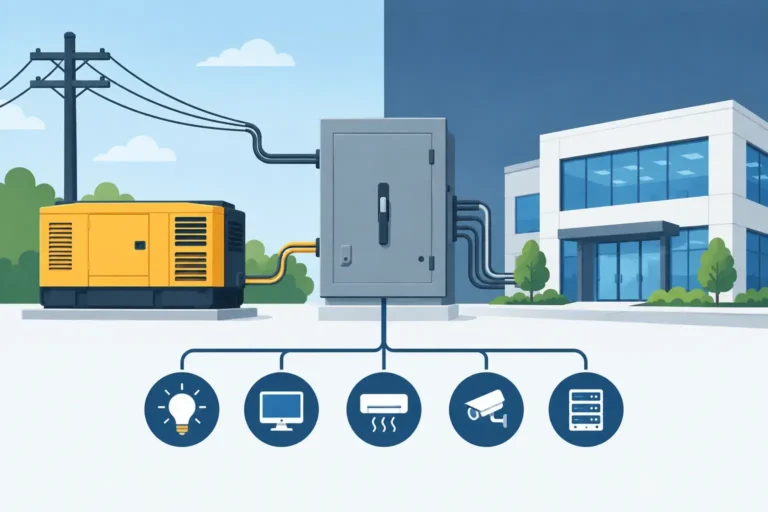
Where resilience is a priority, an emergency power supply or full house backup system can be designed to keep selected circuits, or potentially the wider property, running during a grid outage. This requires careful specification. Not every battery offers backup, and even a backup-capable system has limits based on battery size, connected loads and the available solar generation. Essential circuits such as lighting, broadband, refrigeration and heating controls are often the sensible starting point.
EV charging is a growing rental advantage
Off-street parking can turn an EV charger into a meaningful letting feature. It gives tenants a convenient place to charge and avoids dependence on public charging points. For a landlord, it is a durable improvement that may appeal to a growing number of electric vehicle drivers.
The installation must be designed around the incoming electrical supply and the property’s maximum demand. Load management can allow an EV charger to work safely alongside other electrical loads, rather than assuming the supply can accommodate everything at full output simultaneously. Charge point location, cable routes, access and weather protection all need to be considered.
In blocks of flats and shared parking areas, the project becomes more complex. Landlord permissions, freeholder consent, ownership of bays, metering and future provision for other residents should be addressed before work begins. A single charger installed without a wider plan can create difficulties when more residents request one later.
Safety, compliance and tenant care are part of the installation
Energy improvements should never sit separately from electrical safety. Consumer-unit upgrades, circuit protection, isolation points, labelling and testing are core parts of a quality installation. So are neat cable routes, weatherproof external equipment and clear handover information.
Landlords must continue to meet their electrical safety duties, including periodic inspection requirements. New work should be properly certificated, and any alterations should be recorded with the property’s electrical documents. Solar and storage systems should be installed to recognised standards, with appropriate notifications and grid-connection processes managed where required. MCS-backed solar installation can provide additional assurance for eligible systems and future administration.
Tenants also need to understand what has changed. A short handover on heating controls, battery operation, EV charging and what to do during a power cut helps prevent avoidable call-outs. Keep instructions simple. The goal is not to turn a tenant into an energy engineer; it is to ensure they can use the home comfortably and safely.
Plan the work around voids and long-term maintenance
A full renovation is usually the most efficient moment to undertake major electrical and energy work. It allows a landlord to coordinate rewiring, consumer-unit replacement, heating changes, solar installation and decorating in the right order. If the property is occupied, work can still be phased, but access, noise and temporary service interruptions need thoughtful planning.
Maintenance should be considered before the system is fitted. Specify equipment from established manufacturers, retain certificates and commissioning records, and ensure that isolators and key components remain accessible. Solar panels generally require little routine attention, but electrical systems, battery settings and safety equipment benefit from professional support over their working life.
Home EESS approaches these projects as complete electrical installations, not a collection of separate products. That means assessing the building and supply first, selecting suitable technology, completing the installation to a high standard and remaining available when support is needed.
A sensible order for rental property electrification
The most reliable route is usually to make the property efficient first, confirm the electrical installation is safe and capable, then add the technologies that suit the tenancy and building. For some landlords, that means solar and a consumer-unit upgrade now, with EV charging later. For others, a heat pump, battery and backup provision may be the right coordinated project.
The strongest rental homes will not simply be electric. They will be comfortable, straightforward to run and properly supported when something needs attention. Start with a site-specific electrical assessment, and the right next step becomes much clearer.