A typical electric car can use as much electricity in one overnight charge as a modest home uses in several days. That is why homeowners often ask: can solar charge EVs effectively, rather than simply sending surplus power back to the grid? The answer is yes – but the best result comes from designing the solar, charger and, where appropriate, battery storage as one electrical system.
For many properties across London and the Home Counties, solar EV charging can reduce the cost of motoring and make better use of power generated on the roof. It will not mean every mile is powered by sunshine, every day of the year. A properly specified installation can, however, prioritise your own generation when it is available and use the grid intelligently when it is not.
Can solar charge EVs at home?
Yes. Solar panels generate DC electricity, which an inverter converts into the AC electricity used by your home. A compatible EV charger can monitor how much solar power is available and adjust the car’s charging rate to match it.
At its simplest, solar generation supplies whichever appliances are running in the property. If there is power left over, a smart charger can direct that surplus to the car rather than exporting it. If clouds pass over or household demand rises, the charger reduces its output. This is often called solar surplus charging.
Your car does not need to be connected only when the sun is shining. A smart charger can be set to charge from solar when there is surplus generation, from cheaper off-peak electricity overnight, or from a combination of both. That flexibility matters in the UK, where solar output is strongest from late spring to early autumn and far lower in winter.
What a solar EV charging system needs
The panels are only one part of the picture. The size and orientation of the array, the property’s normal daytime electricity use, the vehicle’s battery size and the time it is parked at home all influence the outcome.
A solar-aware EV charger uses a monitoring device, usually fitted near the consumer unit, to measure electricity flowing to and from the grid. It then communicates with the charger to avoid importing power when you have chosen a surplus-only setting. It can normally be configured with a minimum charging threshold too, because most EVs need a certain level of power before charging can begin.
For example, a single-phase charger may need around 1.4kW as a minimum. If the house is using 500W and the solar array is producing 2kW, only 1.5kW is available for the vehicle. The charger can make use of it, but charging will be gradual. As generation increases, so will the charging rate.
A standard home charger is commonly rated at 7kW, which is much more than a typical domestic solar array produces for much of the day. That does not prevent solar charging. It simply means the charger will vary below its maximum rating when following available solar power, then draw from the grid only if you have allowed it to do so.
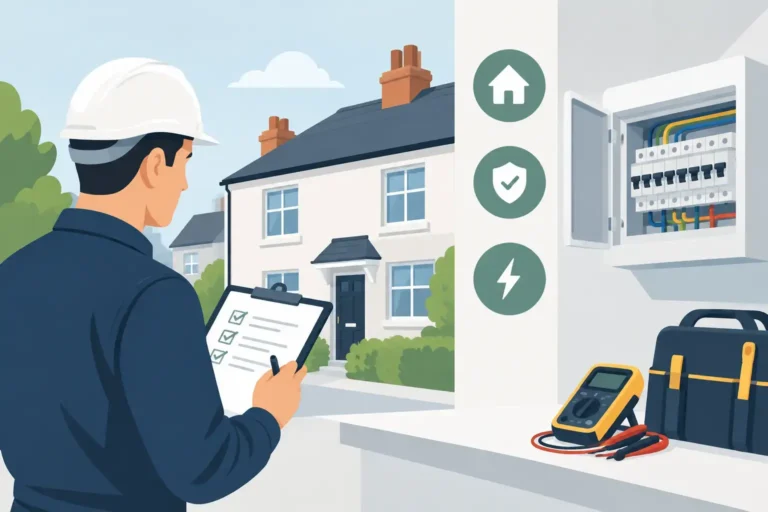
Safe integration is essential. The charger, inverter, consumer unit, protective devices, earthing arrangement and incoming supply must all be assessed together. An experienced electrical contractor will also consider load management so that charging does not place unnecessary demand on the property’s supply at busy times.
How much EV mileage can solar provide?
There is no single answer, because car efficiency, driving distance and weather all vary. As a useful rule of thumb, many EVs travel around three to four miles for each kilowatt-hour of electricity used.
A well-sited 4kWp solar system might generate roughly 3,400 to 4,200kWh in a year, depending on location, orientation and shading. Not all of that energy will be available for the vehicle: your home will use some of it, and generation is not evenly spread across the year. Even so, directing genuine surplus into an EV can add a meaningful amount of low-cost mileage over the year.
Summer is where the arrangement feels most rewarding. A car parked at home during the day may absorb a substantial share of solar surplus, especially if the household’s daytime demand is modest. In December, the same system may generate only a fraction of its summer output. Grid electricity, often scheduled during an off-peak tariff window, will still be needed for most drivers.
This is not a weakness of solar. It is a reason to set realistic expectations and choose controls that adapt to the seasons. The goal is not to refuse grid power at all costs; it is to use your own generation when it is valuable, then charge at the lowest practical cost when it is not.
Does a home battery make solar EV charging better?
A battery can increase the proportion of solar electricity you use yourself, but it is not automatically the best way to charge a car. An EV battery is already a very large battery, and it is often more efficient to send solar surplus straight to the vehicle when it is connected.
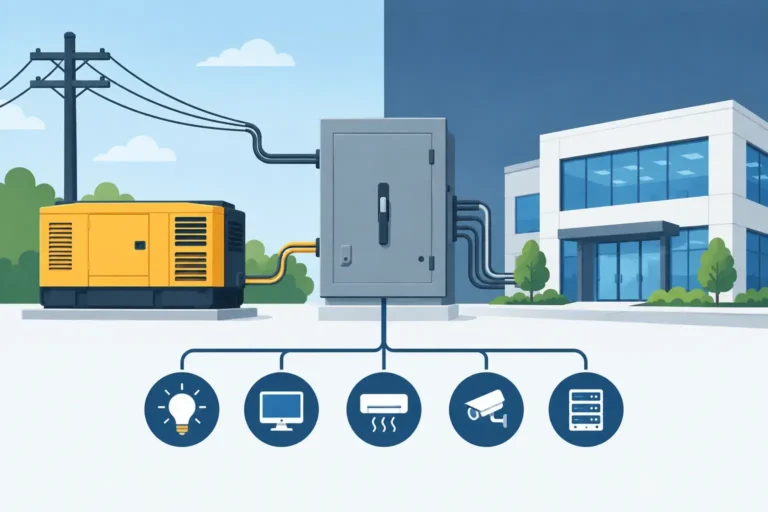
Home battery storage becomes particularly useful when the car is away during sunny hours, when evening household demand is high, or when resilience matters. It can store daytime generation for use after sunset, reduce reliance on peak-rate electricity and, with the right system design, support selected circuits or full house backup during a grid outage.
There is a trade-off. Charging a home battery from solar and then charging an EV from that battery introduces conversion losses, and a typical home battery may not hold enough energy to make a major contribution to a large vehicle battery every night. Its value is often broader: lowering household bills, supporting essential loads and giving you more control over when you buy electricity.
The best arrangement depends on your priorities. A commuter whose car is home in daylight may place solar surplus charging first. A household with an EV away all day may benefit more from a battery paired with a time-of-use tariff. A property seeking emergency power needs a backup design that has been carefully matched to its intended loads.
Smart tariffs still have a place
Solar charging and off-peak charging should work together, not compete. If tomorrow’s forecast is bright and the car is at home, a solar-first schedule may make sense. If you need a guaranteed range for an early start, a timed overnight charge can provide certainty at a lower tariff rate.
Most smart chargers allow you to set a minimum state of charge or a required departure time. The charger can take solar power through the day, then top up overnight if necessary. This prevents the inconvenience of waiting for perfect weather when you need to travel.
It is also worth comparing the value of exporting surplus solar with the cost of importing electricity. Depending on your export tariff and off-peak rate, exporting some daytime generation and charging overnight can occasionally be the better financial choice. A good system gives you the option to choose, rather than locking you into one approach.
Planning the installation properly
A site survey should establish more than how many panels fit on the roof. It should review roof shading and condition, likely generation, daytime consumption, the location of the charger, cable routes, the capacity of the existing consumer unit and the property’s electrical supply.
For solar installations, the required grid notification or approval process must be handled correctly. Charger installation may also require supply upgrades, protective-device changes or load balancing, particularly in older homes or properties with electric heating, induction cooking and other high-demand equipment.
Quality workmanship matters because solar, battery storage and EV charging are long-term electrical assets. Equipment should be selected for compatibility, correctly commissioned and explained clearly, with settings tailored to how the household actually uses energy. Home EESS approaches this as a complete electrical installation, not as separate products fitted in isolation.
Solar EV charging during a power cut
Solar panels alone normally switch off during a grid failure. This is a safety requirement that prevents electricity being fed into a damaged grid while engineers may be working on it. It also means a standard solar installation will not usually continue charging an EV during a power cut.
An emergency power supply or full house backup system can change what is possible, but it must be designed specifically for that purpose. The inverter, battery capacity, backed-up circuits and maximum loads all need careful consideration. EV charging is a high-demand load, so it may be excluded from backup operation or limited to a lower charging rate to protect essential household power.
For homeowners who value resilience, that conversation should happen at the design stage. Keeping lights, refrigeration, communications and heating controls operating will usually take priority over charging a vehicle at full speed.
The most useful next step is to look at your driving routine alongside your energy use. Note when the car is normally at home, how far you drive each week and whether resilience or the lowest possible charging cost matters most. With those answers, a properly surveyed solar and EV charging system can be specified around your property – and continue to work for you long after installation day.