When the street goes dark, the value of a battery system changes quickly. Solar panels may be generating, and energy may be stored on site, but without the right equipment your property can still lose power with the rest of the grid. EPS transfer switches are the part of a backup-power installation that safely separates selected circuits from the grid and allows them to run from a compatible battery and inverter during an outage.
For households and businesses across London and the Home Counties, this can mean keeping the essentials on: lighting, broadband, refrigeration, heating controls and a way to charge phones. The result is not just lower electricity bills from solar and storage, but practical resilience when it is needed.
What does an EPS transfer switch do?
EPS stands for Emergency Power Supply. An EPS-capable inverter can provide electricity from a battery during a grid failure, but it must not send electricity back into the public network while engineers may be working to restore it. The transfer switch, sometimes referred to as a changeover switch, is central to making this arrangement safe.
In normal operation, your property receives electricity from the grid as usual. Your solar PV system and battery work in the background, generating, storing and using energy according to the system settings. If there is a power cut, the system detects the loss of grid supply and disconnects the backup circuits from it. The inverter can then energise those circuits using available battery power and, where the system is designed to allow it, solar generation.
When the mains supply returns, the equipment transfers the circuits back safely. This all happens automatically on many modern systems, although the exact behaviour depends on the inverter, battery, switchgear and backup design selected for the property.
The key point is isolation. A properly specified EPS system prevents dangerous back-feeding to the grid and protects your installation, your property and those working on the network.
Selected circuits or full house backup?
The first decision is rarely about a switch on its own. It is about what you want to keep powered and for how long. Most properties are best served by an EPS arrangement for selected essential circuits. This gives useful protection against disruption without requiring an oversized battery or major changes to every circuit in the consumer unit.
A typical essential-loads board may include circuits for:
- key lighting areas
- the broadband router and selected socket outlets
- fridge and freezer appliances
- boiler, heat-pump controls or heating pumps
- security equipment, gates or a home-office circuit
The right selection is personal. A family with young children may prioritise refrigeration, lighting and heating. Someone working remotely may place broadband and a dedicated office circuit at the top of the list. A small business may need tills, alarms, network equipment or selected lighting to remain operational.
Full house backup takes a different approach. It can keep most or all of a property supplied during an outage, subject to the system’s power rating and battery capacity. It is an excellent option for some homes and commercial premises, but it requires more careful load management. A battery inverter cannot necessarily run high-demand appliances such as electric showers, induction hobs, immersion heaters, large air-conditioning systems or EV chargers at the same time.
That does not make full house backup impractical. It simply means the design needs to reflect real usage. In many cases, the best solution includes controls that reduce or disconnect non-essential loads while the property is operating in backup mode.
Power and capacity are not the same thing
Customers often ask how long their EPS supply will last. The honest answer is that it depends on two related, but different, factors: battery capacity and inverter output.
Battery capacity, measured in kilowatt-hours (kWh), affects how much energy is available. A larger battery can supply a modest essential load for longer. Inverter output, measured in kilowatts (kW), affects how much can be powered at any one time. A system may have enough stored energy for many hours, yet still be unable to start or run several high-load appliances together.
For example, keeping LED lighting, a router, television, fridge and boiler controls running may use relatively little energy. Adding a kettle, microwave, tumble dryer or electric shower changes the picture immediately. A sensible EPS design is based on the appliances you genuinely need during an outage, not a theoretical list of everything connected to the property.
Solar can extend backup time, but it should not be treated as a guarantee. Generation varies by weather, season, roof orientation and time of day. A compatible battery system may recharge from solar during a daytime outage, helping to preserve stored energy. On a dark winter evening, the battery will be doing most of the work.
Why EPS transfer switches need professional design
Backup power is not a case of fitting a battery beside an existing consumer unit and assuming every socket will work when the grid fails. The existing installation, earthing arrangement, protective devices, inverter specification and circuit loading all need to be considered together.
Some battery inverters provide an integrated EPS output intended for a dedicated essential-loads board. Other full-house backup systems use more comprehensive switching equipment. The neutral and earthing arrangements must also be designed correctly for both grid-connected and islanded operation. These details are not visible in day-to-day use, but they are vital to electrical safety and reliable operation.
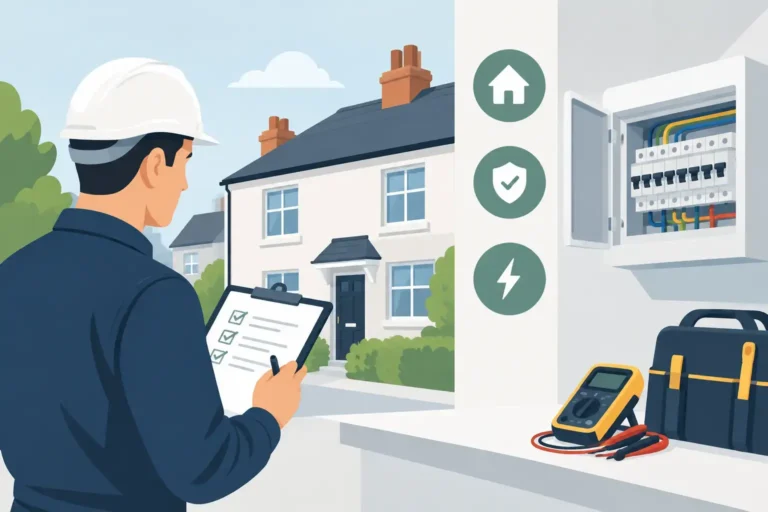
A qualified installer should assess the condition and capacity of the consumer unit, identify which circuits are suitable for backup and confirm whether upgrades are required. Older boards, crowded enclosures or incomplete circuit labelling can make a new backup installation more involved. Addressing those issues properly is preferable to compromising the quality or safety of the finished system.
The work should also be installed, tested and certified in line with the relevant requirements of BS 7671. Where solar generation or battery storage affects the connection to the electricity network, the appropriate Distribution Network Operator process must be followed. A competent installer will manage the technical requirements and explain what they mean for your project.
Common expectations to clarify before installation
An EPS system is highly useful, but clear expectations prevent disappointment. First, there may be a brief interruption when the grid fails. Sensitive equipment can sometimes notice this changeover, even where it is very quick. If uninterrupted power is required for specialist equipment, that should be discussed at the design stage.
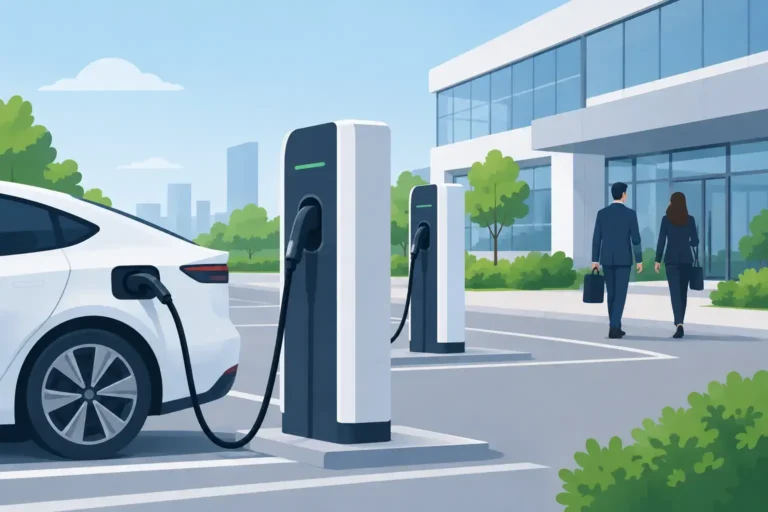
Second, an EV charger is usually not included on backup power. Charging a vehicle places a substantial demand on the battery and can reduce the resilience available for the property. There are exceptions where a larger, carefully managed system is specified, but it is not the standard approach.
Third, a solar PV system does not automatically provide power during a cut. Many standard solar inverters shut down when the grid is unavailable. To use solar safely in an outage, you need a compatible hybrid inverter or battery system, a correctly designed EPS function and suitable transfer arrangements.
Finally, backup power should be tested. A quality installation is commissioned properly, and the property owner should understand which circuits are protected, what the system will do during an outage and how to use it. Periodic checks and a planned test of the backup function give confidence that the system will perform when required.
Choosing the right EPS backup arrangement
The best starting point is not a battery size or a particular product. It is a practical conversation about your property and priorities. Consider what a power cut would interrupt, which appliances truly matter, how often the building is occupied and whether future plans include solar PV, an electric vehicle, a heat pump or a larger electrical upgrade.
For a renovation, it can be cost-effective to plan the essential circuits and consumer-unit layout before walls and finishes are complete. For an existing home, a site survey identifies the most sensible route with minimal disruption. Small businesses should also consider operational risks, such as loss of internet, refrigeration, access control or security coverage.
Home EESS designs solar, battery and backup systems as part of the wider electrical installation, rather than treating the transfer switch as an afterthought. That approach helps ensure the equipment is properly matched, the workmanship is uncompromised and support remains available after installation.
A well-designed EPS arrangement will not make every appliance immune to an outage. What it can do is keep your most important circuits working safely, reduce disruption and give your property a dependable source of power when the grid is unavailable. The most useful next step is to identify the essentials you would not want to lose, then have the backup system designed around them.