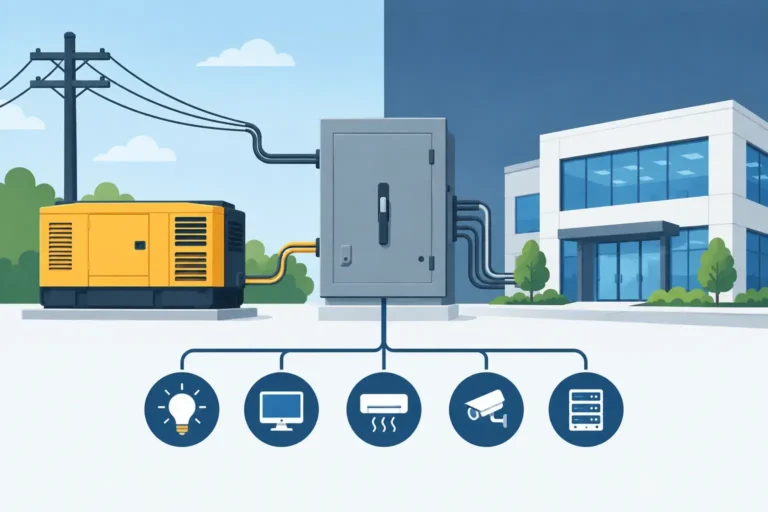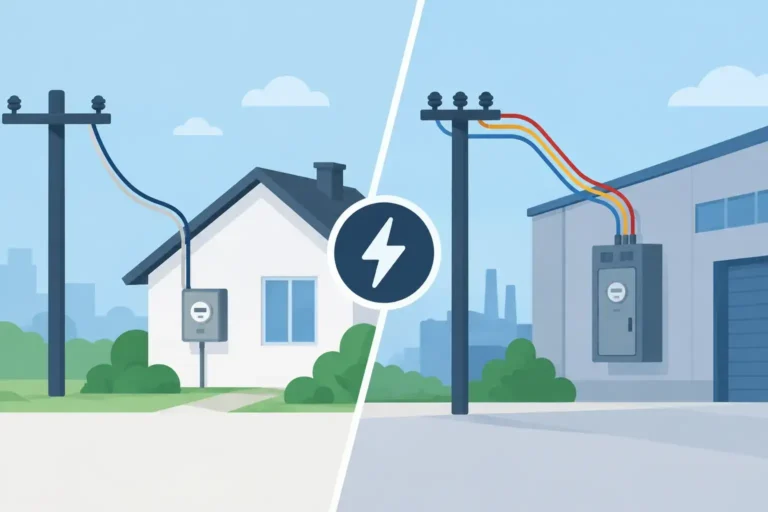
A car park with two unused charging bays can be a valuable staff benefit. A car park with chargers that trip the supply, block access or cannot report usage soon becomes a management problem. This commercial chargers review focuses on what makes a workplace, fleet or visitor charging installation dependable over the long term – not simply what looks good on a brochure.
For businesses across London and the Home Counties, the right answer depends on the vehicles being charged, the time they spend on site and the electrical capacity already available. A well-specified system can support lower running costs, employee retention and future EV adoption. A poorly planned one can create avoidable upgrade costs and frustrated drivers.
Commercial chargers review: what separates a good system
Commercial EV chargers are built for shared use, higher utilisation and clearer accountability than a typical home unit. They need to work reliably for different drivers, withstand daily use and give the business control over who can charge, when and at what cost.
The best charger is not necessarily the highest-powered model. A 7kW AC charger is often the sensible choice where staff cars remain parked for a working day. It can add meaningful range while avoiding excessive demand on the building supply. For customer locations where vehicles may only stop briefly, or for fleets that need rapid turnaround, 22kW AC or DC charging may be more appropriate. Those options demand a closer look at supply capacity, network charges and the vehicles themselves.
A quality commercial installation should also offer practical management. That may include RFID cards, an app, scheduled charging, usage reports and the ability to set tariffs for visitors. These features are useful only when they suit the site. A small office with five named drivers may need straightforward access control, while a multi-tenant building may need automatic billing and separate reporting for each occupier.
Reliability matters more than headline features
Commercial chargers are often installed outdoors and used by people who have not been shown how they work. Durable enclosures, clear status lights, tethered or untethered cable arrangements, and sensible mounting positions all matter. So does support when something goes wrong.
Connectivity deserves particular attention. Many smart chargers use Wi-Fi, mobile data or ethernet to provide monitoring and payment functions. Wi-Fi can work well near the building, but it is rarely the right assumption for a distant car park or underground area. A proper site survey should confirm signal strength, cable routes and whether a hard-wired connection is needed.
The charger should also continue to provide an appropriate level of service if connectivity is interrupted. A system that leaves authorised staff unable to charge because a local internet connection has failed is not a resilient business solution.
Charging speed must match parking behaviour
It is tempting to specify the fastest available unit. In practice, charging speed only delivers value when it matches dwell time and the electrical supply.
For a workplace where vehicles are parked for seven or eight hours, multiple 7kW chargers with intelligent load balancing will usually serve more people effectively than one expensive high-power unit. Staff can plug in during the morning and collect their vehicles with useful additional range at the end of the day.
For a trades fleet returning overnight, the calculation is different. The charging schedule must ensure every vehicle is ready for the next shift, accounting for battery sizes, daily mileage and the time vehicles actually return. Staggered charging can reduce peak demand without affecting operational readiness.
Public-facing settings such as retail sites, cafés and leisure venues need to consider customer dwell time. A 22kW unit may be worthwhile where visitors stay long enough and compatible vehicles are common. It will not charge every car at 22kW, however. Many electric cars have lower AC charging limits, so the charger rating is only one part of the picture.
DC rapid charging can provide a strong customer or fleet benefit, but it is a more substantial infrastructure project. It may require significant electrical upgrades, civil works and a careful appraisal of ongoing costs. It should be selected because the business case supports it, not because it appears future-proof on paper.
Load management protects the building supply
The most important technical feature in many commercial charging projects is dynamic load management. This monitors the building’s electricity demand and adjusts charging output so the agreed supply limit is not exceeded.
Without it, several chargers drawing at full output can overload an existing supply or force an unnecessary and costly upgrade. With it, available power is shared intelligently between connected vehicles. Charging may slow temporarily during periods of high building demand, then increase again when demand falls.
This makes it possible to install more charge points than the supply could support at full power simultaneously. It is particularly valuable for offices, workshops, blocks of flats and older commercial premises, where spare electrical capacity can be limited.
Load management is not a substitute for electrical design. The incoming supply, distribution boards, cable sizes, protective devices, earthing arrangement and fault protection all need assessment by a competent electrical contractor. Site conditions determine what can be installed safely, and whether future expansion has been allowed for.
Plan for expansion without paying for it twice
Businesses rarely regret allowing for future chargers. They can regret installing just enough containment and cabling for today’s two bays, then needing to excavate the same parking area again when demand grows.
A phased approach is often the most cost-effective route. Install the electrical infrastructure, containment and load-management capability for a larger number of chargers, then fit additional units as usage justifies them. This limits disruption and helps protect the initial investment.
It also makes sense to designate charging bays carefully. Chargers positioned where cables cross pedestrian routes, loading areas or accessible paths can create safety and access issues. Bay markings, signage, lighting and bollard protection should be considered as part of the complete installation.
Payment, access and reporting should be straightforward
Commercial charging is as much an operating policy as an electrical installation. Before selecting a system, decide who is allowed to charge and how costs will be handled.
Some businesses offer free charging as an employee benefit. Others charge a rate that recovers electricity and administration costs. Landlords may need separate tariffs for tenants, while visitor destinations may want contactless payment. Each approach has implications for the charger platform, tax treatment and reporting.
Avoid systems that are unnecessarily complicated for the people using them. If drivers need multiple apps, unclear instructions or support from a busy receptionist every time they charge, take-up will suffer. Clear instructions at the bay and a simple access method are usually more valuable than an extensive feature list.
Usage data should be accurate and accessible. Reports can help a business understand demand, allocate costs, identify chargers needing attention and make informed decisions about expansion. Where drivers are billed, the payment journey and tariff display must be clear from the outset.
Solar and battery storage can improve the value of charging
For premises with solar PV, workplace charging offers a useful way to use more locally generated electricity. The timing still matters. Solar generation is strongest during daylight hours, while vehicle demand may be concentrated in the morning or late afternoon.
Smart charging can prioritise available solar generation where the chosen equipment supports it. Battery storage can also help manage site demand and retain more solar energy for later use. However, it is not always the lowest-cost answer. The size of the solar array, the building load profile, export arrangements and charging habits should all be assessed before specifying a battery primarily for EV charging.
The strongest projects treat solar, storage, EV charging and the wider electrical installation as one system. This is especially important where resilience is a priority. An EV charger does not automatically operate during a power cut, even where solar panels and batteries are present. Emergency power supply and full house backup arrangements require careful design, dedicated circuits and clear expectations about what will remain powered.
What to expect from a professional installation
A commercial charger project should begin with a site survey, not a product choice. The survey should establish the supply capacity, parking layout, cable route, network signal, ground conditions and operational requirements. It should also identify any landlord permissions, planning considerations or distribution network requirements that may affect the programme.
The installation itself should include suitable protective devices, correctly sized cabling, testing, certification and clear handover information. Staff should know how to start a charge, report a fault and access any relevant management platform. The business should also understand who provides ongoing support for the charger hardware, software and electrical installation.
At Home EESS, we approach commercial charging as part of the wider electrical system, with the safety, capacity and future needs of the premises considered before work begins. That gives businesses a practical route to reliable charging without compromising the rest of the building’s electrical performance.
The right commercial charger is the one that drivers can use confidently, the building can support safely and the business can manage without unnecessary effort. Start with how your vehicles and visitors actually use the site, then build the charging system around that reality.