A busy office, workshop or retail unit can consume its most expensive electricity in a few short hours. Heating and cooling start up, machinery runs, EVs charge and solar output falls just as the working day reaches its peak. Commercial battery storage systems give businesses a practical way to take control of that pattern: store lower-cost or self-generated electricity, then use it when it delivers the greatest value.
For many small and medium-sized businesses, the strongest case is not simply about generating more power. It is about buying less electricity at the wrong time, making better use of solar already on site and keeping critical circuits available when the grid is disrupted. The right system must be designed around the building, its working hours and the equipment that genuinely matters.
What commercial battery storage systems can do
A commercial battery stores electricity for use later. It can charge from a solar PV system when generation exceeds immediate demand, or from the grid during lower-priced tariff periods where the tariff and operating plan make this worthwhile. It then discharges to support the premises when demand rises or grid electricity costs more.
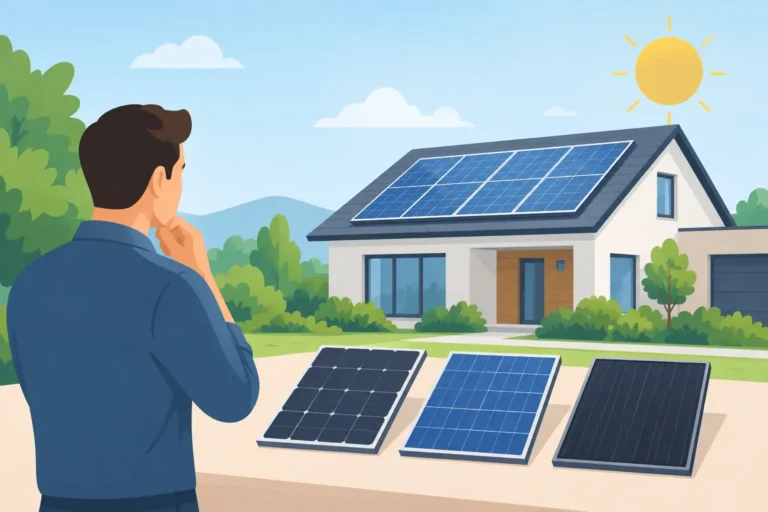
This can reduce reliance on imported electricity at the most costly times of day. For premises with solar, it also avoids sending as much surplus generation away for a comparatively modest export payment. Instead, that energy can help power lighting, refrigeration, IT equipment, workshop loads or EV charging after solar production has dropped.
The benefit depends on how the business uses energy. A daytime business with consistent electricity demand and a well-sized solar array may prioritise self-consumption. A site with sharp, predictable demand peaks may place more value on limiting grid import at those moments. A business that cannot afford an interruption may need battery storage integrated with an emergency power supply or full-house backup arrangement for selected commercial circuits.
Start with the site, not the battery size
Battery capacity is often the first figure people ask about, but it is not the first decision to make. A system that looks generous on paper can still underperform if it cannot deliver enough power at the right time, if the building has unsuitable distribution arrangements or if it charges and discharges against the wrong tariff pattern.
A proper assessment begins with the premises’ half-hourly or smart-meter consumption data, existing electrical installation and likely future demand. This identifies when electricity is used, which loads create peaks and whether solar generation aligns with the working day. It should also account for planned changes, such as adding EV charge points, extending a workshop, fitting heat pumps or increasing office occupancy.
Capacity and power are different things
Capacity, measured in kilowatt-hours (kWh), indicates how much energy the battery can hold. Power, measured in kilowatts (kW), indicates how quickly it can supply that energy. Both matter.
Consider a business that wants to cover a 20kW afternoon peak for two hours. It needs enough usable capacity to support that demand, but it also needs an inverter and battery system capable of delivering the required kW. Choosing a high-capacity battery with insufficient output power will not solve the peak-load issue. Conversely, a high-power system with too little capacity may discharge long before the expensive period ends.
The same principle applies to backup. A small critical-load board serving networking equipment, security, emergency lighting and selected refrigeration may be realistic to support for an extended period. Attempting to run every circuit in a building, including high-load heating or machinery, requires far more storage and careful load management.
Solar, tariffs and EV charging need one plan
Solar PV, battery storage and EV charging should not be specified as separate purchases. They interact throughout the day. A battery might be held back to capture afternoon solar, scheduled to charge overnight on an appropriate tariff, or reserved for the period when the premises has its highest import costs.
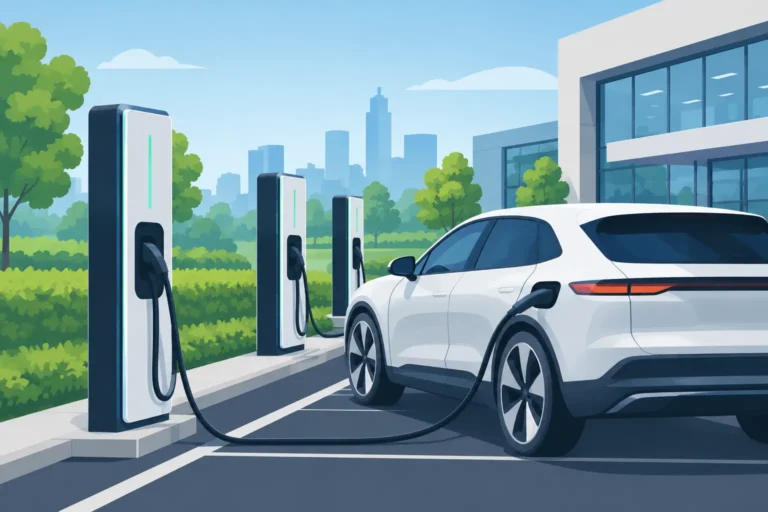
EV charging adds a further consideration. Unmanaged charging can create a new site peak, especially where several vehicles connect at the end of a shift. Smart charging and battery controls can reduce this pressure, but the design must reflect the number of vehicles, charger ratings and the certainty of charging times. In some cases, upgrading the supply or introducing load balancing is the sensible answer. There is no value in promising savings while creating avoidable strain on the electrical infrastructure.
Backup power requires deliberate design
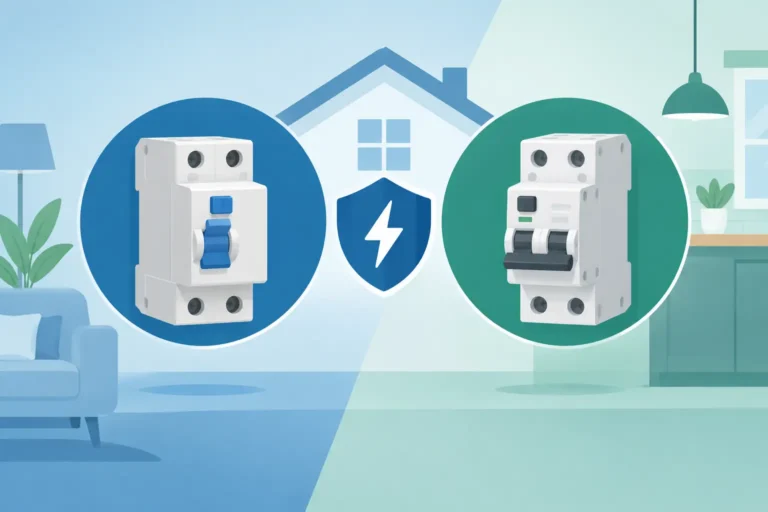
Not every battery installation provides power during a grid outage. Many systems shut down when the grid fails unless they have been designed with the necessary backup equipment, control arrangements and safe isolation measures. This is a critical distinction for any business relying on continuity.
A backup design should establish what must remain live and what can wait. For a small office, that may include communications, alarms, selected lighting and IT. For a retail or hospitality setting, essential refrigeration, payment systems and security may take priority. A workshop may need to protect controls, data and critical plant rather than attempt to operate all machinery as normal.
An emergency power supply can support agreed essential circuits. A more comprehensive full-house backup approach can be considered where the incoming supply, load profile and budget allow, but it needs honest discussion about high-demand equipment and outage duration. Batteries provide valuable resilience, yet they are not an unlimited generator. Sensible circuit selection and load management are what turn stored energy into dependable continuity.
Safe installation is part of the investment
Commercial battery storage is substantial electrical work. The installation must be compatible with the existing supply, consumer units or distribution boards, earthing arrangement, protective devices and cable routes. Where solar is included, generation equipment and grid connection requirements also need to be considered.
The physical location matters too. Battery equipment needs a suitable, accessible space with appropriate environmental conditions, clearances and protection from avoidable damage. Plant rooms, utility areas and secure external positions can all be considered, but each site needs an individual review. Fire safety, access for maintenance and the building’s day-to-day operation should be addressed before equipment is selected.
Grid-connected systems may require notification or approval from the local distribution network operator, depending on the proposed equipment and export capability. This is not paperwork to leave until the end. It can influence the system design, export settings and project timetable.
Working with an experienced electrical contractor helps keep the project joined up. At Home EESS, the approach is to assess the electrical installation as well as the energy opportunity, then specify a solution that can be installed safely, commissioned properly and supported for the long term.
Build the financial case from real data
The payback period for commercial battery storage systems varies because electricity prices, tariffs, solar output and load profiles vary. A system should not be sold on a single headline saving. The useful calculation compares the cost of electricity avoided with the cost of charging the battery, allowing for round-trip losses, battery operating limits and the realistic number of cycles per year.
Businesses should also look beyond a simple annual saving. Better solar self-consumption, lower exposure to expensive import periods, reduced demand spikes and resilience for essential operations can all carry value. For some premises, avoiding a short outage that disrupts trading, stock or customer service is as significant as the energy saving itself.
There are trade-offs. Oversizing a battery can leave capacity underused for much of the year. Undersizing it can mean it fills too early from solar or empties before the evening demand arrives. A site without meaningful load variation, solar surplus or tariff opportunity may achieve a weaker return than one with a clear daily pattern. The answer should always follow the data.
A practical next step for your premises
The most useful starting point is a review of your electricity use, current electrical infrastructure and future plans. Bring recent bills or consumption data, details of existing solar and the loads you would want protected during an outage. From there, it is possible to decide whether storage should focus on solar savings, tariff management, EV charging support, backup power or a balanced combination.
A well-designed battery system should make the building easier and less costly to run, not more complicated to manage. When the equipment, controls and electrical installation are planned as one system, your business gains more than stored electricity: it gains a measured route to lower bills and greater peace of mind.