A solar installation should keep reducing your electricity costs for decades, not leave you chasing different companies when a fault appears. That is why the best solar panel warranties are not simply the ones with the biggest number printed on a brochure. They combine credible manufacturer cover, realistic performance commitments and an installer that remains accountable for the quality of its work.
For homeowners and businesses across London and the Home Counties, the right warranty can bring real peace of mind. It matters even more where solar is connected to a battery, EV charger, emergency power supply or full house backup system. These are carefully integrated electrical systems, and every part needs to be specified, installed and supported properly.
What makes the best solar panel warranties?
A useful solar warranty has three distinct layers: product cover for defects, performance cover for long-term output, and workmanship cover for the installation itself. Each protects a different part of your investment. Looking at only one can give a misleading impression of how well protected you are.
The best arrangement is not necessarily the longest single warranty. A 30-year panel performance promise has value, but it will not correct poor roof fixings, incorrect cabling or an inverter installed in an unsuitable location. Equally, an excellent installer warranty cannot compensate for panels from a manufacturer with weak support or uncertain long-term presence in the UK market.
When comparing quotes, ask for the warranty details in writing and make sure they identify who provides each element of cover. This sounds straightforward, but the distinction between manufacturer responsibility and installer responsibility is often missed.
The three warranties you should compare
Product warranty: protection against defects
A product warranty covers faults in the solar panel itself, such as defective materials, manufacturing issues, premature component failure or unacceptable physical degradation caused by a fault. Many quality panels now offer product warranties of 20 to 25 years, with some premium models extending beyond this.
Length matters, but the terms matter just as much. Check whether the manufacturer has a UK support route, whether labour is included or only replacement equipment, and whether the warranty applies if the original installer is no longer trading. A replacement panel may be covered, for example, while the cost of safe access, removal and refitting is not.
It is also sensible to ask how a manufacturer handles discontinued models. Solar products evolve quickly. If an exact replacement is unavailable years from now, the warranty should explain whether an equivalent panel will be supplied and how any mismatch in appearance or electrical characteristics is addressed.
Performance warranty: protection for generation
A performance warranty, sometimes called a power output warranty, promises that a panel will retain a stated percentage of its original output after a given number of years. A typical example might guarantee a minimum output level after 25 or 30 years, allowing for gradual degradation over time.
This is valuable because all panels generate slightly less electricity as they age. However, a performance warranty is not a promise that your system will always produce a certain number of kilowatt-hours each year. Weather, shading, roof orientation, dirt, seasonal daylight and changes around the property all affect generation.
Compare the guaranteed end-of-term output and the stated annual degradation rate. A panel that begins with high efficiency but has a weaker degradation commitment may not always be the best value over its working life. Your installer should consider the available roof area, your daytime electricity use and any battery storage plans, rather than selecting equipment on a warranty figure alone.
Workmanship warranty: protection for the installation
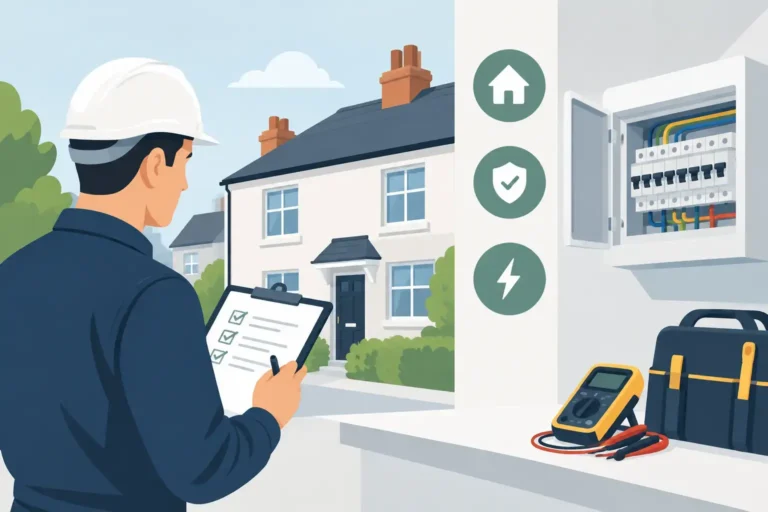
The workmanship warranty is the part most directly connected to your installer. It covers faults arising from the design or installation of the system, rather than a manufacturing defect in a panel or inverter.
This can include issues with roof mounting, cable routes, isolators, electrical connections, labelling and commissioning. It is particularly important on older properties, renovated homes and commercial premises where the electrical installation may need upgrades before solar, storage or EV charging can be added safely.
Ask how long the workmanship warranty lasts, exactly what it covers and how faults are reported. You should also establish whether the installer has the electrical capability to investigate related issues, such as consumer-unit capacity, earthing arrangements or backup-system changeover equipment. A solar system is not separate from the rest of the property’s electrical infrastructure.
Home EESS provides a six-year installation warranty alongside MCS-backed solar installations, giving customers a clear point of contact after handover as well as support during the design and installation process.
Do not overlook inverters, batteries and roof work
Solar panels may be expected to last for decades, but they are only one part of the system. Inverters commonly have shorter warranties than panels, often with extension options available. They convert the panels’ direct current into usable electricity and are central to monitoring, battery charging and export control.
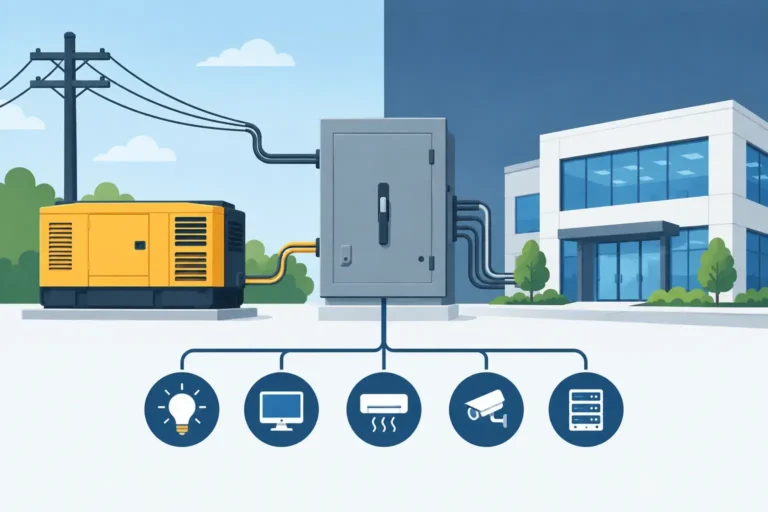
Battery warranties need even closer attention. They may be expressed as a number of years, a minimum retained capacity, a throughput limit, or a combination of all three. A battery used daily to maximise self-consumption will be treated differently from one used occasionally for resilience. If you want emergency power or full house backup, make sure the proposed battery and backup equipment are covered for the intended use.
Roof workmanship should also be discussed before installation begins. Solar mounting systems must be designed for the roof structure and installed with correct weatherproofing. Panel warranties will not usually cover a roof leak caused by poor installation. An experienced electrical and renewable-energy contractor will assess access, roof condition, cable routes and the wider electrical system before recommending a design.
Questions to ask before you accept a quotation
A clear quotation should make warranty comparisons easier, not harder. Before proceeding, ask these questions:
- Who provides the product, performance and workmanship warranties?
- What are the warranty periods for panels, inverter, battery, mounting system and backup equipment?
- Are labour, access equipment, diagnosis and reinstallation included if a valid claim is accepted?
- What exclusions apply, particularly for shading, storm damage, misuse, third-party alterations or a change of roof?
- Is the warranty transferable if you sell the property?
- What documentation will you receive at handover, including product serial numbers, commissioning records and electrical certificates?
The answers reveal more than a headline warranty length. They show whether the system has been specified responsibly and whether there is a practical process should support be needed later.
Read the exclusions without assuming the worst
Every warranty has exclusions. This is normal, not automatically a warning sign. Damage caused by fire, exceptional weather, accidental impact, unauthorised alterations or failure to maintain safe access may fall outside standard cover. The key is that exclusions should be clear and proportionate.
Pay attention to requirements that could affect a future claim. Some manufacturers require equipment to be registered within a particular period, while others expect monitoring faults to be reported promptly. Keep your handover pack, invoices, certificates and photographs of the finished installation somewhere safe. If you later sell the property, these records also demonstrate the quality and provenance of the system.
If tree growth creates new shading, or you plan a loft conversion, extension or roof replacement, speak to a qualified installer first. Moving panels, changing cabling or interfering with backup equipment without proper design and testing can compromise safety as well as warranty cover.
Choose accountability, not just a long promise
The strongest warranty on paper is of limited use if there is nobody available to assess the problem and take responsibility. For that reason, local support, established electrical experience and clear post-installation service are as valuable as the years stated in the small print.
A well-designed solar system should be built around how your property uses energy now and how it may use it later. That could mean leaving capacity for a battery, preparing for home EV charging, or designing a resilient backup arrangement from the outset. Ask for warranties that support that whole system, then choose an installer prepared to stand behind the work long after the panels are generating.