A sunny afternoon should be when your system is working hardest, not when a consumer unit trips or the inverter suddenly stops generating. Solar panel tripping is unsettling because it can interrupt generation, affect battery charging and, in some homes, leave you unsure whether it is safe to turn the power back on. The cause may be straightforward, but it should never be guessed at.
A solar PV installation connects DC electricity from the panels, an inverter that converts it to AC electricity, protective devices and your property’s electrical system. A trip is a safety response. It is doing its job by disconnecting a circuit when it detects a condition that could damage equipment or create a risk of electric shock or fire.
First, identify what has actually tripped
The word “tripping” can describe several different faults. The right next step depends on which component has operated.
If an MCB or RCBO in the consumer unit has moved to the off position, a circuit has disconnected. An RCD may also trip, often taking more than one circuit with it. If the inverter display shows a grid fault, isolation warning or shutdown message while nothing has tripped in the consumer unit, the inverter may have disconnected itself from the grid as designed.
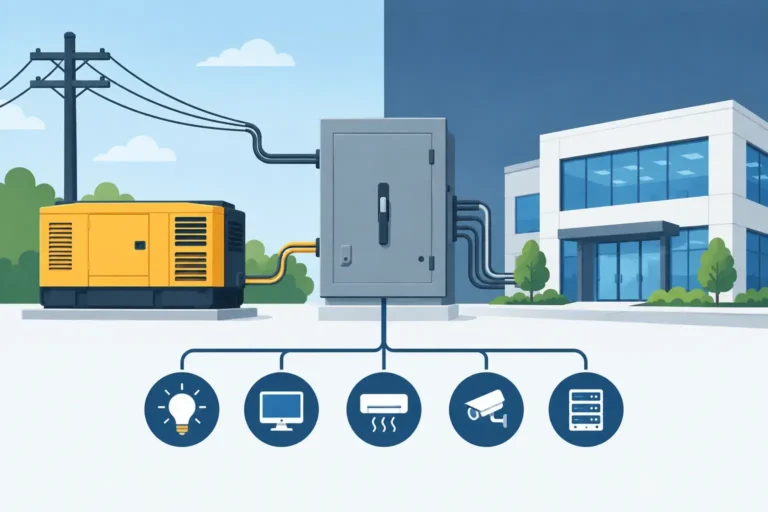
There is also a separate possibility: the whole property has lost supply because of a local grid outage. A standard solar PV system normally switches off during an outage to protect network engineers working on the supply. It will not keep powering the house unless it has been designed with an EPS or full house backup arrangement, together with suitable battery storage and changeover equipment.
Before touching anything, look for a clear indication of which device has operated and make a note of any inverter message, time of day and weather conditions. That information can significantly shorten fault-finding.
Why solar panel tripping happens
An earth leakage issue
RCDs and RCBOs monitor whether electricity is taking an unintended path to earth. They can operate because of moisture in a connector, damaged cable insulation, a fault in the inverter or a problem elsewhere on the same protected circuit.
This is one reason a trip may appear to be caused by solar when the underlying issue is not the panels themselves. Modern homes often have several appliances, outdoor circuits and electrical accessories sharing protective arrangements. The total leakage can build up, particularly when equipment starts or changes operating mode.
Moisture, weather and damaged roof-side equipment
Solar components spend their working life outdoors. Properly installed connectors, cables and mounting systems are built for this environment, but wear, storm damage, rodent damage, water ingress or an installation defect can create a fault over time.
A trip that occurs only during heavy rain, after snow, or first thing in the morning when condensation is present deserves prompt investigation. Do not assume it will dry out and resolve itself. Water-related electrical faults can become intermittent, which makes them harder to locate and easier to overlook.
Inverter faults or grid protection operation
Your inverter continuously checks the quality of the grid supply. If voltage or frequency moves outside permitted limits, it can disconnect automatically. This is a protective function, not necessarily evidence that the inverter has failed.
In some areas, high local solar generation can raise voltage during bright periods, particularly where the local network is already under pressure. The inverter may reduce output or disconnect temporarily. Repeated messages about grid voltage, however, should be assessed rather than accepted as normal. The answer may involve confirming the installation settings, testing supply voltage or speaking with the electricity network operator.
A DC-side fault
The cables between panels and inverter carry DC electricity whenever there is daylight. Unlike an ordinary AC circuit, DC arcs can persist, so work on the DC side requires the correct isolation procedure, test equipment and competence.
Loose or incompatible connectors, damaged cabling, insulation faults and faults within optimisers can all affect the DC side of a system. These are not homeowner repairs. Avoid opening rooftop connectors, inverter covers or DC isolators to investigate further.
Incorrect protection, wiring or changes to the property
Solar PV should be designed as part of the property’s wider electrical installation. If a consumer unit has been altered, an EV charger added, a battery installed or circuits rearranged after the solar system was fitted, the original protection arrangement may need reviewing.
This does not mean new equipment is automatically at fault. It does mean the installation should be checked as a complete system. Selectivity between protective devices, cable sizes, earthing arrangements and manufacturer requirements all matter. A quality installation allows a fault to disconnect the appropriate circuit without causing unnecessary loss of supply elsewhere in the home.
What you can check safely
Start with observation, not repeated resetting. Check whether the solar circuit’s breaker or RCBO is off, whether the inverter has an error code, and whether other electrical circuits are affected. If the system has a monitoring app, note the reported event rather than relying only on a generation graph.
You can reset a protective device once if there is no sign of damage, burning, water ingress or a persistent electrical smell. If it immediately trips again, or trips again when the solar system restarts, leave it off. Repeated resetting can place stress on equipment and may mask a developing fault.
Do not remove consumer-unit covers, disconnect panel cables or attempt to access equipment on the roof. Also avoid switching multiple isolators at random. A solar installer or qualified electrician will need to understand the system’s condition when they attend, and unnecessary switching can make the fault harder to trace.
If the inverter is showing a grid-related message but the consumer unit has not tripped, check whether neighbours have a supply and whether there is a known outage. If the grid supply is present, take a photograph of the message and allow the inverter time to complete its normal reconnection delay. Many systems wait several minutes after the grid becomes stable before generating again.
When to arrange an electrical inspection
Arrange professional support promptly if a breaker will not remain on, the trip follows rain, you can see damaged cabling or equipment, or the inverter repeatedly reports insulation, isolation, DC or grid faults. Switch the affected solar circuit off and leave it off if there is any concern about safety.
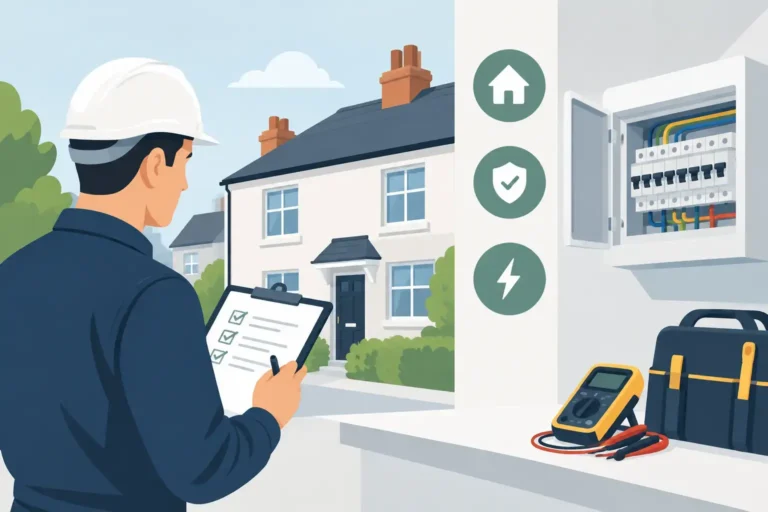
An engineer should not simply reset the system and leave. A proper visit may include visual checks of the panels, cable routes, isolators and inverter, electrical testing of insulation resistance and earth continuity, checks of AC and DC protective devices, and a review of monitoring data and fault history. The exact tests depend on the system design and the reported symptoms.
For landlords and business owners, a recurring trip is particularly worth addressing quickly. Lost solar generation is one cost, but unexplained faults can also affect tenant confidence, daily operations and planned EV charging. Keeping installation records, commissioning documents and inverter details available helps ensure a faster response.
Preventing future solar panel tripping
Prevention starts with a well-designed installation using appropriate components, correct cable routing and protection that suits both the inverter and the existing electrical system. It also depends on workmanship. Solar is not an isolated roof project: it is a live electrical installation that must work safely alongside the rest of the property for many years.
Periodic visual inspection is sensible, especially after severe weather or building work. Keep an eye on sudden drops in generation, recurring inverter alerts and changes in consumer-unit behaviour. Do not allow trades to drill, cut or alter routes near known solar cables without checking drawings first.
If you are adding a battery, EV charger, heat pump or backup supply, ask for the whole electrical arrangement to be assessed. These technologies can work exceptionally well together, but the design needs to account for load, protection, earthing and how the property behaves during a grid failure. A full house backup system, for example, requires far more planning than simply adding a battery to an existing solar array.
Home EESS approaches these faults with the same principle used for new installations: identify the cause, protect the property and provide a repair that supports reliable long-term operation. A system that trips once may have a simple explanation. A system that keeps tripping is asking for a qualified electrical diagnosis – and acting early protects your generation, your equipment and your peace of mind.