A consumer unit that trips repeatedly is not simply an inconvenience to reset. It may be telling you that a circuit is being asked to carry more electricity than it was designed to handle. Knowing how to identify electrical overloads helps protect your property, appliances and, most importantly, the people using them.
Overloads can develop gradually as a home changes. A garage becomes a home office, an extension adds new sockets, a kitchen gains more high-powered appliances or an EV charger is installed alongside an older electrical system. The answer is not always a major rewire, but repeated warning signs should be properly investigated rather than worked around.
What is an electrical overload?
An electrical overload happens when too many appliances, or appliances with too much combined demand, draw power from one circuit. Every circuit has a protective device in the consumer unit, usually an MCB or RCBO, selected to protect the cable serving that circuit. When the demand exceeds its safe capacity, the protective device should disconnect the supply.
That disconnection is doing its job. It limits the risk of cables overheating behind walls, under floors or within ceilings. Resetting the breaker without reducing the load can lead to the same trip again and masks the reason it happened.
An overload is different from a short circuit or an earth fault. A short circuit is usually caused by conductors touching where they should not. An earth fault can occur when current escapes to earth, often through damaged equipment, moisture or faulty wiring. All can cause a circuit to trip, but the pattern of the problem helps a qualified electrician diagnose it correctly.
Signs that a circuit may be overloaded
One isolated trip after running several demanding appliances can point to overload. The following signs deserve closer attention, particularly when they happen more than once:
- A circuit breaker trips when you use a kettle, microwave, toaster, portable heater, tumble dryer or other high-load appliance.
- Lights dim or flicker when an appliance starts up.
- Plug sockets, switches, plugs or extension leads feel warm to the touch.
- You notice a burning smell, discolouration, buzzing or crackling around an outlet or consumer unit.
- A fuse blows or breaker trips after adding equipment to a room, workshop, garden office or garage.
- Several extension leads and multiway adaptors are being used to supply permanent loads.
Do not ignore heat, burning smells, visible damage or unusual noises. Switch off the affected circuit if it is safe to do so, avoid using the equipment, and arrange an inspection. Never remove covers from the consumer unit or attempt to alter protective devices yourself.
The timing of the trip matters
An overload often appears when several appliances run at once. For example, the kitchen circuit may trip when the kettle boils while the toaster, microwave and dishwasher are also operating. In a utility room, the combination could be a washing machine, tumble dryer and portable heater. A garage may struggle when power tools, a freezer and vehicle charging are supplied from a circuit not intended for that level of use.
If a breaker trips immediately when one specific appliance is plugged in, even with little else running, the appliance or its flex may be faulty rather than the circuit overloaded. If an RCBO or RCD trips unpredictably, especially in wet weather or when an outdoor circuit is used, an earth fault is another possibility. These distinctions are useful, but they are not a reason to carry out live testing yourself.
Check what is connected to the circuit
Start with a sensible visual review. Identify which rooms, sockets and fixed equipment stop working when the relevant breaker is switched off. In many properties, circuit labels are incomplete or no longer accurate after alterations, so this is only a basic check. Do not rely on labelling alone.
Then consider what is normally used at the same time. Heating appliances are common culprits because they draw substantial power for long periods. Kettles, electric showers, ovens, hobs, immersion heaters, tumble dryers and EV chargers also place significant demand on an installation, although larger fixed loads should normally have dedicated circuits.
Portable equipment matters too. A 3 kW fan heater can use more power than many people expect. Plugging it into a multiway extension alongside a computer, monitor and printer can overload the extension lead even where the final circuit itself is not overloaded. Extension leads are for temporary use, not a permanent substitute for sufficient sockets or properly designed circuits.
Avoid the tempting fix of moving appliances randomly between outlets. Sockets in the same room are often supplied by the same circuit, so moving a plug a metre along the wall may change nothing. Instead, reduce simultaneous demand and record what was running at the point of each trip. That information makes an electrician’s fault-finding visit faster and more precise.
Recognise risks in older and altered properties
Older properties across London and the Home Counties can have electrical installations that were suitable when they were installed but no longer suit modern use. A consumer unit may have been upgraded while some original cabling remains, or previous alterations may have added sockets without fully considering circuit capacity, cable routes and protective coordination.
Renovations can introduce new demands quickly. A loft conversion, garden room, kitchen refurbishment or home office may add lighting, sockets and heating. Solar PV, battery storage, an EV charger and an emergency power supply also need careful integration with the existing installation. These technologies can deliver valuable savings and resilience, but they should never be simply added onto circuits that have not been assessed.
Landlords and business owners should be particularly alert where occupants use portable heaters, kitchen equipment or workshop tools. Repeated tripping should not be treated as user error without checking the installation. It may indicate that the available circuits no longer match how the space is actually being used.
What not to do when a breaker trips
A circuit breaker is a safety device, not a switch to be forced back on until it stays on. Do not replace a breaker with one of a higher rating, fit a larger fuse, bypass an RCD, or use adaptors to spread a heavy load around the property. Any of these actions can leave cables inadequately protected.
You should also avoid daisy-chaining extension leads or multiway adaptors. Even good-quality extension equipment has a rating, and heat can build up where plugs, reels or leads are covered by rugs, furniture or bedding. A cable reel should be fully unwound when supplying a substantial load because a tightly coiled cable can overheat.
If you need to restore power after a trip, unplug or switch off likely high-demand appliances first. Reset the breaker once. If it holds, reconnect appliances one at a time and do not continue using anything that causes the circuit to trip, feels hot or appears damaged. If the breaker will not reset, trips again, or there are signs of overheating, leave it off and call a qualified electrician.
When an electrical inspection is the right answer
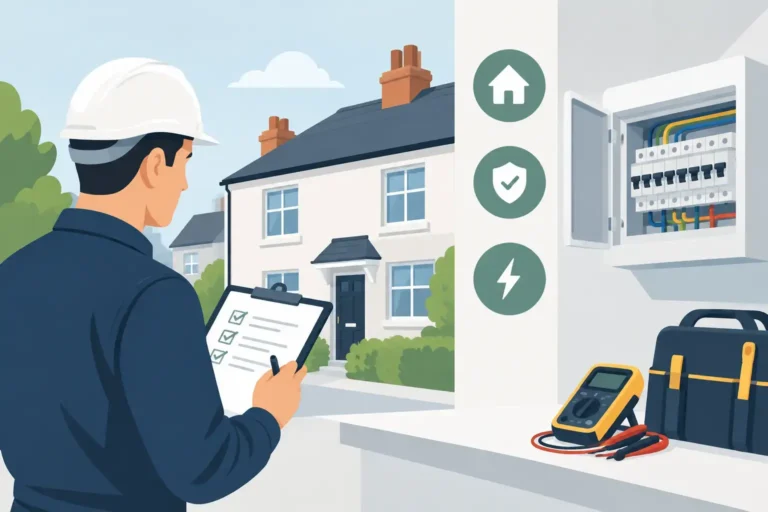
A professional inspection goes beyond identifying the appliance that happened to be in use. An electrician can test the circuit, confirm cable size and protective-device ratings, check connections, assess the condition of outlets and consumer unit, and establish whether the issue is overload, faulty equipment or a wiring defect.
The solution depends on the findings. It may be as straightforward as replacing a damaged socket, redistributing planned loads or adding a new circuit for a room with changed use. In other cases, a consumer-unit upgrade, partial rewire or dedicated supply for an electric shower, induction hob, EV charger or outbuilding may be appropriate.
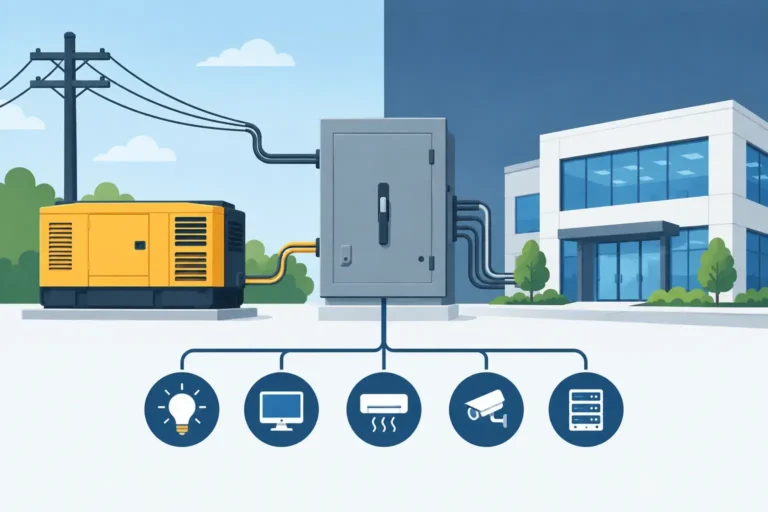
For solar and battery projects, the assessment should include the property’s wider electrical arrangement from the start. A properly specified system considers generation, battery charging and discharge, backup requirements, isolation and protection together. This is especially important where full-house backup or emergency power is a priority, because not every existing circuit should automatically be placed on a backup supply.
Home EESS combines renewable-energy installation with the electrical contracting expertise needed to assess the complete installation. That means practical recommendations based on how your property is used, rather than a one-size-fits-all answer.
Prevent overloads as your energy needs change
The best prevention is planning capacity before demand increases. If you are refurbishing a kitchen, converting a garage, installing an EV charger or adding a garden office, discuss anticipated loads while the electrical work is being designed. Providing dedicated circuits and enough well-positioned sockets at that stage is safer, neater and usually more cost-effective than correcting problems later.
Arrange periodic inspection and testing at sensible intervals, particularly in older homes, rental properties and commercial premises. Keep consumer-unit circuit labels clear, replace damaged leads promptly and treat recurring trips as useful warning signs rather than an everyday annoyance.
Your electrical system should support the way you live now, including lower-cost solar power, home charging and backup power where required. If a circuit is regularly objecting to that demand, it is time to give it the professional attention it deserves.