A consumer unit can look clean, modern and perfectly serviceable while a fault remains hidden in the wiring or protective devices behind its cover. That is why circuit protection checks matter. They confirm that your electrical installation is designed to disconnect dangerous faults quickly, protect people from electric shock and reduce the risk of cable damage or fire.
For homeowners, landlords and business owners, this is not simply a box-ticking exercise. Good electrical protection supports the systems you rely on every day, from kitchen circuits and lighting to solar PV, battery storage, EV charging and emergency power.
What circuit protection checks are designed to prove
Every circuit needs the right protective device for the cable, the load it supplies and the way it is used. In most modern consumer units, this protection comes from miniature circuit breakers (MCBs), residual current devices (RCDs), residual current breakers with overcurrent protection (RCBOs), surge protection devices (SPDs) and, in some installations, arc fault detection devices (AFDDs).
Each device has a different job. An MCB or RCBO helps protect cables from overload and short circuit faults. RCD protection helps reduce the risk of serious electric shock where current leaks to earth. SPDs can help protect sensitive electronics from transient overvoltages caused by events such as switching operations or lightning activity nearby.
Circuit protection checks assess whether these devices are correctly selected, properly connected and capable of operating within the required limits. An electrician also considers the condition of the wiring itself. A high-quality device cannot compensate for damaged insulation, loose terminations or unsuitable alterations made over time.
Why visual checks alone are not enough
There are useful warning signs that deserve prompt attention: a breaker that trips repeatedly, a burning smell, warm sockets or switches, flickering lights, damaged accessories, or a consumer unit that still uses older rewireable fuses. These are reasons to call a qualified electrician, not reasons to keep resetting a device and hope the problem disappears.
However, many issues are not visible. A circuit may appear to work normally but have a poor earth fault path, insufficient RCD protection or degraded cable insulation. These faults can only be identified through inspection and testing with calibrated equipment.
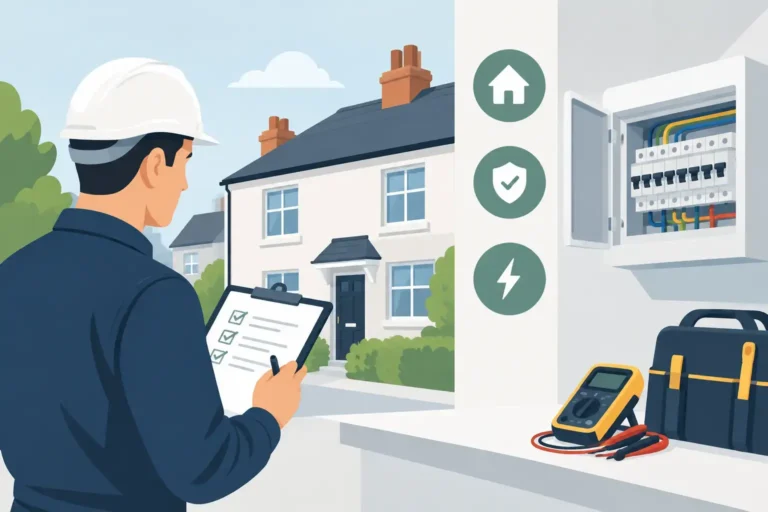
An electrical installation condition report, commonly called an EICR, provides a structured assessment of the installation. Circuit protection forms a central part of that work, alongside the condition of accessories, wiring, earthing and bonding arrangements. The report records observations, test results and any remedial work required to improve safety.
What an electrician tests during circuit protection checks
The precise tests depend on the property, its age and whether work is being carried out on an existing circuit or as part of a full inspection. In general, a competent electrician will first isolate circuits where necessary and carry out a detailed visual inspection before testing.
Continuity testing helps confirm that protective conductors are complete and correctly connected. Insulation resistance testing checks that cables are not allowing unwanted current to escape between conductors or to earth. Polarity testing confirms that switches and protective devices are connected to the correct conductors.
The electrician will also verify earth fault loop impedance. This helps establish whether a fault should produce enough current for the protective device to disconnect in the required time. RCD and RCBO testing measures whether these devices trip quickly enough at the correct operating current.
Test results are interpreted together rather than in isolation. For example, a circuit may have an RCD that trips correctly, but the circuit arrangement or protective-device rating may still be unsuitable for its cable or intended load. Safe electrical work is about the whole installation, not one reading on a test instrument.
Protection in homes with solar, batteries and EV charging
Renewable energy systems add valuable capability to a property, but they also make correct electrical design more critical. Solar PV, battery storage, EV chargers and emergency power supplies introduce additional circuits, control equipment and operating modes that need to work safely with the existing installation.
An EV charger can place a sustained high load on an installation, particularly in the evening when cooking, heating and other household demand may already be high. Load assessment and appropriate circuit protection are essential. A dedicated circuit is often required, with protective measures selected for the charger and the earthing arrangement at the property.
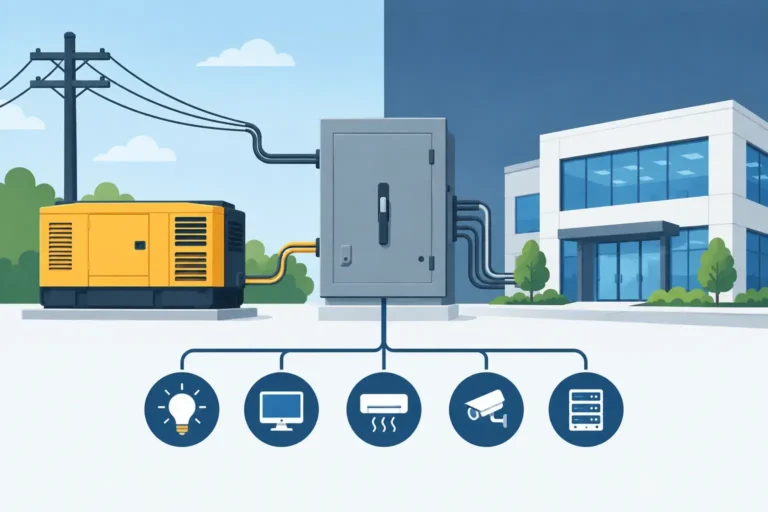
Solar and battery systems require careful consideration of AC and DC isolation, overcurrent protection, RCD compatibility, surge protection and labelling. Where an emergency power supply or full house backup arrangement is installed, the system must prevent dangerous back-feeding into the electricity network during an outage. It must also make clear which circuits remain available when the property is operating from battery power.
This is where an experienced electrical contractor adds real value. The aim is not simply to connect new technology, but to integrate it into an installation that remains safe, understandable and reliable years after commissioning.
When should you arrange checks?
The right timing depends on the property and how it is used. If you are buying an older home, planning a renovation, adding a high-load appliance, installing solar or an EV charger, or experiencing any fault symptoms, arrange an inspection before the issue becomes more disruptive or expensive.
Landlords in England have specific duties to ensure electrical installations are inspected and tested at appropriate intervals, generally at least every five years, with a report provided to tenants. For homeowners, a periodic inspection is still a sensible part of looking after the property, especially where the wiring is older or previous alterations are uncertain.
Businesses may need more frequent checks because of heavier use, public access, equipment demands or the nature of the premises. A workshop, office, retail unit and rental flat do not carry the same risks, so inspection intervals should be based on the installation and its environment rather than a one-size-fits-all rule.
Upgrading protection without unnecessary disruption
A consumer-unit upgrade can improve protection substantially, but it should never be treated as a cosmetic replacement. Before fitting a new unit, the existing circuits need to be assessed. Old wiring may reveal faults once modern protective devices are installed, particularly more sensitive RCD or RCBO protection.
That does not mean an upgrade is a bad idea. It means the work should be planned honestly, with allowance for testing and any necessary remedial work. Sometimes a targeted repair, additional circuit or improved earthing arrangement is the sensible first step. In other properties, especially those being renovated or prepared for solar, batteries and EV charging, a full consumer-unit upgrade provides the clearest route to safer, more flexible electrical capacity.
Quality also matters. Well-specified equipment, neat cable management, clear circuit schedules and correct labelling make future maintenance safer and easier. They also give you a far better understanding of what happens if a circuit trips or the grid supply fails.
What you can do between inspections
Property owners should not remove consumer-unit covers or attempt live electrical testing. There are, however, straightforward checks that help identify concerns early. Keep the consumer unit accessible, make sure circuit labels remain legible and avoid overloading extension leads or multi-way adaptors.
Many RCDs have a marked test button. If your electrician has shown you how and confirmed it is appropriate for your installation, periodic operation of that button can confirm the device trips mechanically. It is not a replacement for professional testing, and a device that will not reset should be investigated promptly.
Pay attention to changes. A circuit that starts tripping after an EV charger, appliance or garden installation is added may be signalling an overload, wiring fault or incompatibility that needs proper diagnosis. Repeated resetting can mask the cause and place additional stress on the installation.
For properties across London and the Home Counties, Home EESS approaches circuit protection as part of the complete electrical picture. Whether you need an EICR, a consumer-unit upgrade or safe integration of solar, storage and backup power, the work should leave you with clear answers and protection you can rely on.
A well-tested installation does more than keep the lights on. It gives you confidence that the systems supporting your home or business will respond properly when a fault occurs, and that confidence is worth building before you need it.