A new EV charger, solar array or home battery can transform how your property uses energy. But before any of that equipment is fitted, the foundations of the electrical installation need to be right. That is why upgrade electrical earthing is a question worth asking during a rewire, consumer-unit upgrade or renewable-energy project.
Earthing is not a visible feature, and it does not reduce your electricity bill on its own. Its job is more fundamental: it helps protect people, property and equipment if a fault develops. A suitable, correctly connected earthing arrangement allows protective devices to operate as intended, reducing the time dangerous fault conditions may remain present.
For many homes and smaller commercial premises across London and the Home Counties, existing earthing is perfectly serviceable. Others have installations that have been altered over decades, lack clear records or were designed long before solar, batteries, EV charging and full-house backup were being considered. An inspection gives you the facts before you build on an uncertain electrical base.
Why upgrade electrical earthing before adding new technology?
Modern energy systems place more demands on an installation than a typical older household setup. An EV charger may draw a high load for several hours. A solar inverter and battery introduce generation, stored energy and electronic control equipment. An emergency power supply changes how parts of the property are supplied during an outage.
None of this automatically means that your earthing must be replaced. What it does mean is that the earthing and bonding arrangements must be assessed as part of the complete design. The answer depends on the property’s supply type, the condition of the consumer unit, cable routes, external metalwork, the equipment being installed and the measured test results.
The aim is uncompromised safety. A properly designed system helps ensure that, if a live conductor contacts exposed metalwork because of a fault, there is a safe path for fault current and the relevant protective device disconnects quickly. Without adequate earthing, metal enclosures, appliance cases or other conductive parts can present a serious shock risk.
Earthing and bonding are related, but not the same
These terms are often used together, yet they have different roles. Earthing connects the installation to the means of earthing provided for the supply or, in some cases, to an earth electrode. Main protective bonding connects incoming metal services, such as water and gas pipes where applicable, to the installation earthing terminal.
Both need to be correct. Bonding helps keep conductive parts at a similar electrical potential during a fault, while earthing supports fault protection and disconnection. Missing, undersized, damaged or poorly connected conductors can undermine the protection that a modern installation is expected to provide.
Older properties can hide electrical changes
A property does not need to look old to have an uncertain electrical history. Extensions, loft conversions, replacement consumer units, garden offices and kitchen refurbishments can all introduce changes. Sometimes the original earthing conductor has been left in place without being reassessed; sometimes bonding has been disconnected during plumbing work; sometimes labels and test records are simply absent.
Common reasons to arrange a professional assessment include:
- an older fuse board or consumer unit is due for replacement;
- solar PV, battery storage, an EV charger or an EPS is being planned;
- a periodic inspection has identified observations relating to earthing or bonding;
- there are signs of corrosion, physical damage or loose connections near the supply intake;
- the property has had extensive building or electrical work over the years.
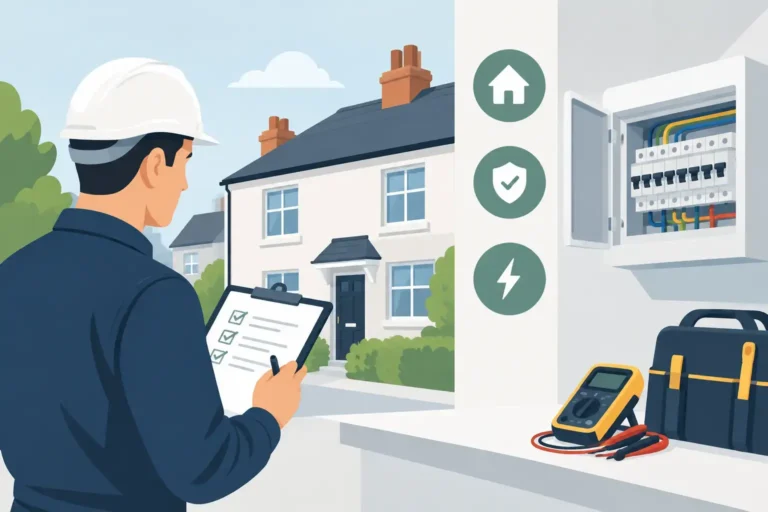
A visual check alone is not enough. An electrician will inspect the installation and carry out appropriate testing, including checks that confirm the effectiveness of fault protection. The results guide the recommendation, rather than assumptions based on the age of the house.
The particular considerations for solar, batteries and EV charging
Renewable technologies are electrical installations, not simply products that are added to a roof or wall. Their safety depends on how well they integrate with the existing supply and distribution system.
With solar PV and battery storage, the installer must consider the inverter arrangement, protective devices, cable sizing, isolation and the earthing requirements of the equipment. Where a battery is intended to provide backup power, the design also needs to manage the change between grid-connected and islanded operation correctly. Neutral and earth arrangements during backup operation are technical details, but they are critical to the safe performance of the system.
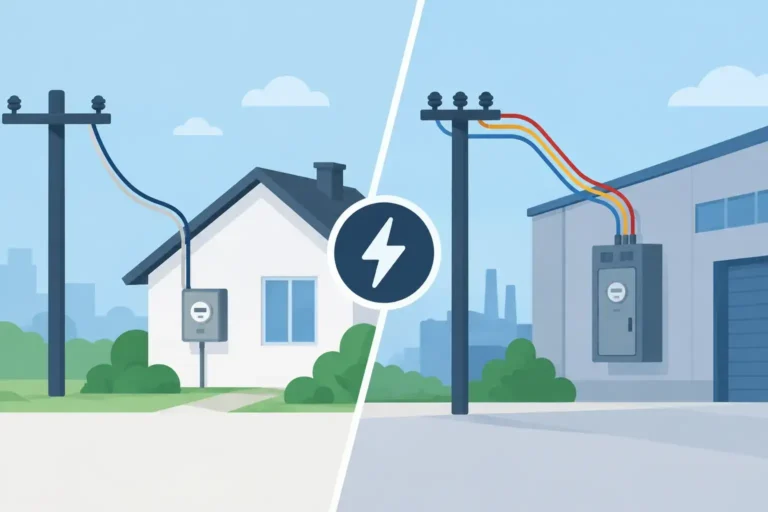
EV charging brings its own considerations. Many UK properties use a PME earthing arrangement, which can require additional protective measures for charging equipment installed outdoors or connected to a vehicle. A competent installer will determine the appropriate approach for thecharger, supply and location. This should never be treated as an afterthought once the charger has arrived.
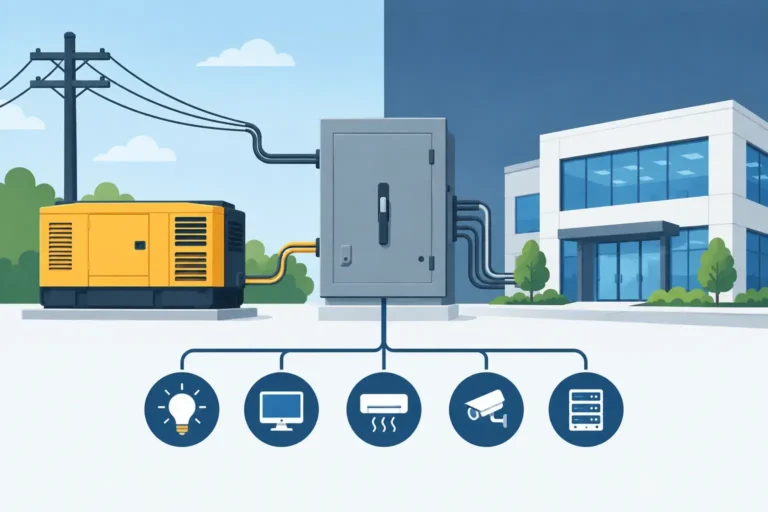
For properties seeking full-house backup, the need for careful design is even greater. Not every existing consumer unit, earthing arrangement or property layout is suitable for a straightforward conversion. In some cases, a dedicated essential-loads board is the sensible option. In others, an upgraded distribution arrangement can support wider backup coverage. The right solution balances resilience, safety, budget and the loads you genuinely need to keep running.
What an earthing upgrade may involve
An upgrade is not one standard piece of work. It may involve replacing or correctly sizing an earthing conductor, renewing main protective bonding, improving connections at the supply intake, upgrading a consumer unit, or installing and testing an earth electrode where the design calls for one.
At some properties, the Distribution Network Operator may need to be involved, particularly where the incoming supply equipment or the provided earthing facility needs attention. Your electrical contractor should explain where their responsibility ends and where coordination with the network operator is needed.
It is also worth separating necessary safety work from optional improvements. If test results show that the earthing and bonding are sound, there may be no reason to replace them simply because solar or an EV charger is being fitted. Conversely, if deficiencies are identified, resolving them before installation can avoid delays, repeat visits and compromises later.
Better protection for the equipment you rely on
Good earthing is principally about electrical safety, but it also supports the dependable operation of the technology you invest in. Solar inverters, batteries, EV chargers, smart controls and networking equipment contain sensitive electronics. They should be installed with suitable protective devices and surge protection where the assessment and design require it.
Surge protection and earthing are not substitutes for each other. A surge protective device needs an effective installation arrangement to work as intended, while sound earthing alone cannot prevent every transient overvoltage. Together with the right consumer-unit protection and quality installation work, they form part of a considered electrical design.
This matters when you are investing in energy independence. A solar and battery system should help you use more of your own generation. An EV charger should make charging at home or work practical. Backup power should provide reassurance during a grid failure. Each benefit relies on the electrical infrastructure behind it being capable, tested and properly documented.
Start with a proper assessment, not a guess
The safest and most cost-effective time to review earthing is before finalising a renewable-energy or electrical upgrade. A site survey can identify the supply arrangement, examine the condition of the existing installation, confirm what equipment is practical and flag work that should be completed first.
Home EESS approaches this as part of the whole project, rather than a separate box to tick. With electrical contracting experience alongside solar, battery, EV charging and backup expertise, the focus is on specifying a system that works safely from day one and remains supportable for the long term.
If you are planning improvements to your property’s energy systems, ask for the earthing and bonding arrangements to be checked early. It is a modest step in the planning process that can protect your investment, support reliable backup power and provide far greater peace of mind when the system is needed most.