A home charger should make electric driving simpler, cheaper and more reliable – not introduce a new electrical risk. EV charger safety begins long before the vehicle is plugged in. It depends on a properly assessed electrical supply, suitable protection, quality equipment and installation by an experienced electrician who understands how the charger will work with the rest of your property.
For homeowners, landlords and businesses, the right installation protects people, vehicles and buildings while helping you make the most of off-peak tariffs, solar generation and battery storage. The charger itself may be visible on the wall, but the safety of the system is determined by the less visible work behind it.
Why EV charger safety needs a full electrical assessment
An EV charger is a sustained electrical load. Unlike many household appliances, it can draw a significant current for several hours at a time. A typical domestic unit may be rated at 7 kW, and several chargers at a workplace can place much greater demand on the incoming supply.
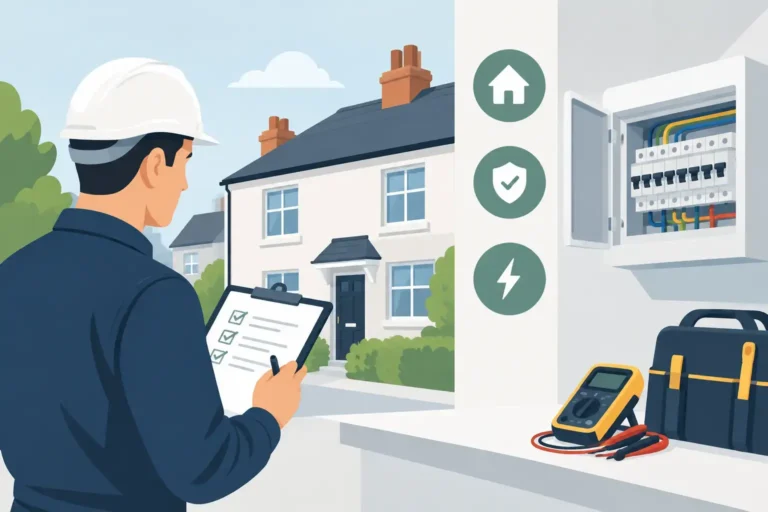
That does not mean every property needs an expensive upgrade. It does mean the existing installation needs to be checked before a charger is specified. An electrician should assess the condition and capacity of the consumer unit, main fuse, earthing arrangement, cable routes and the likely demand from other large electrical loads, such as an electric shower, induction hob, heat pump or battery system.
This is especially relevant in older homes across London and the Home Counties, where a consumer unit or wiring installation may have been added to over many years. If testing reveals damaged cabling, inadequate earthing or an overloaded board, those issues should be resolved before a charger is installed. Fitting a new charger onto a compromised electrical system is a false economy.
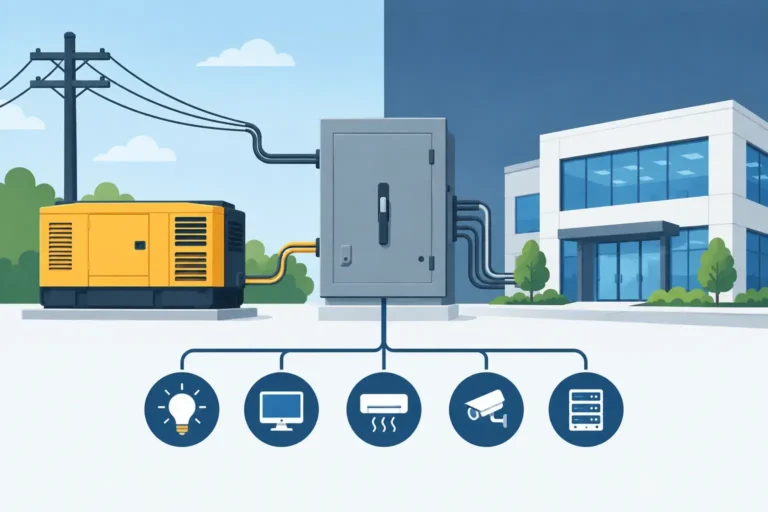
At commercial premises, the assessment also needs to consider when vehicles are likely to charge. A small business with three vans returning at the same time could create a sharp evening peak. Intelligent load management can balance charging demand against the building’s available capacity, reducing the risk of overload without necessarily limiting the business to one charger.
EV charger safety measures that should be designed in
A safe installation is not simply a charger connected to a spare way in the consumer unit. The equipment and protection must be selected for the property, charger type and electrical supply arrangement.
A dedicated circuit and correct protective devices
A fixed EV charger should normally be supplied by its own dedicated circuit. This allows the cable size, circuit breaker and residual current protection to be matched to the charger and installation conditions. It also makes the circuit easier to identify, inspect and isolate in future.
Modern charging equipment can introduce DC fault currents, which may affect the operation of standard protective devices. The charger specification and installation design must therefore provide the appropriate residual current protection, whether that is built into the unit or installed separately. This is a technical detail, but it matters: protection that is unsuitable or incorrectly selected may not respond as intended during a fault.
Earthing and open PEN protection
Many UK properties use a PME, also known as TN-C-S, earthing arrangement. Where an EV is charged outside, this requires particular care. In certain fault conditions, a problem with the supply neutral could create a dangerous touch voltage between the vehicle and true earth.
Suitable open PEN protection is designed to address that risk. It may be incorporated within the charger or provided as part of the wider installation design. An experienced installer will confirm the earthing arrangement rather than assuming that every charger can be fitted in exactly the same way.
Cable routing that stands up to real life
The charging cable route should be as safe as the electrical circuit behind it. Cables need appropriate protection where they pass through walls, run externally or could be damaged by vehicles, garden tools or everyday use. Outdoor equipment should be suitable for the location and installed to maintain its weather resistance.
The position of the charger also matters. It should be accessible without creating a trip hazard, and the charging lead should not cross a public pavement or communal access route. For flats, rental properties and workplaces, this can require careful planning around parking rights, shared areas and future access for maintenance.
Quality equipment and clear isolation
Not all charging points offer the same build quality, monitoring features or support. A recognised, properly certified unit from a reputable manufacturer is a sensible starting point, but it still needs to be correctly installed and commissioned. The best charger for a driveway may not be the best choice for a car park exposed to frequent use, weather and multiple drivers.
A good installation should also leave you with clear circuit labelling, certification and straightforward guidance on how the charger operates. If something appears wrong, you should know how to stop charging safely and who to contact.
Safe charging at home with solar and battery storage
Charging an EV from your own solar generation can reduce the cost of motoring and make better use of electricity that might otherwise be exported. It is one of the most practical combinations in a modern home energy system. However, the charger, solar inverter, battery and any emergency power supply need to be designed as one electrical system rather than as unrelated additions.
A smart charger can be set to use available solar surplus, charge at lower-cost tariff periods or follow a mixed approach. The trade-off is that surplus-only charging may be slower and less predictable during darker months. For many households, a schedule that prioritises low-cost overnight electricity while taking solar energy when available offers the best balance.
Battery storage adds another decision. It is possible to charge a vehicle while a battery is supporting the home, but doing so without the right settings can drain stored energy quickly. Your priorities matter: some customers want the lowest possible charging cost, while others place greater value on retaining battery capacity for evening use or resilience during a power cut.
Where a property has EPS or full house backup, the charger must be considered carefully. A vehicle charger is usually a large load and may need to be excluded or controlled during an outage to preserve backup power for essential circuits. This is not a limitation of the system – it is sensible load prioritisation that protects the battery and keeps critical parts of the property running for longer.
Everyday habits that keep charging safe
Once a professionally installed charger is in place, safe use is largely straightforward. Use the supplied or approved charging lead, check the connector and cable occasionally for cuts, heat damage or loose parts, and keep the socket area clean and dry. Do not use extension leads, multi-socket adaptors or improvised domestic sockets for routine EV charging.
If the charger repeatedly trips, shows a fault code, becomes unusually hot or causes lights to flicker, stop using it and arrange an inspection. Resetting a protective device once may be appropriate if you understand the cause, but repeated tripping is a warning that should not be ignored.
Take care after building work, landscaping or driveway changes too. A new gate, fence post or drainage trench can damage buried cables, while a resurfaced drive may affect cable protection or access to the charging point. Tell contractors that an EV circuit is present before work begins.
For landlords and employers, responsibility does not end on installation day. Chargers in shared or work environments should be visually checked, kept free from impact damage and inspected as part of planned electrical maintenance. Clear user instructions are useful where different drivers, visitors or staff may use the equipment.
When an upgrade is the safest route
A charger installation may reveal that the wider electrical installation is no longer fit for the way a property is used. Warning signs include an outdated fuse board, no spare capacity, poor test results, frequent nuisance tripping or signs of overheating around existing connections.
In these cases, a consumer-unit upgrade, remedial wiring work or a supply-capacity review may be the right next step. It can feel like additional work, but it creates a safer foundation for EV charging, solar, storage and the growing number of electrical loads found in modern homes and businesses.
Home EESS approaches EV charging as part of the complete electrical picture. From the initial assessment to commissioning and ongoing support, the aim is simple: a charging point that works reliably, protects your property and fits the way you use energy.
The best time to address EV charger safety is before the first cable is connected. A properly planned installation gives you the confidence to charge at home or work, make smarter use of your electricity and get on with the journey ahead.