A power cut is no longer viewed simply as an inconvenience. For households with electric heating controls, home working, security systems or refrigerated medicines, and for businesses relying on tills, IT or refrigeration, it can quickly become disruptive. Grid resilience trends are therefore moving solar batteries and emergency power from a specialist consideration to a practical part of property planning.
For property owners across London and the Home Counties, the question is not whether the national grid is reliable. It is how well a particular property can continue to operate when supply is interrupted, electricity prices change or demand rises. The right answer depends on the building, the circuits that matter most and the level of continuity required.
Why grid resilience is moving up the agenda
The electricity network is changing. More homes are using electric vehicles, heat pumps and induction cooking, while more properties are generating power through rooftop solar. This is positive progress, but it creates new demand patterns and makes thoughtful electrical design more valuable.
At the same time, property owners are becoming less comfortable with having only one source of power. A standard solar PV system will usually switch off during a mains outage. This protects engineers working on the network from electricity being exported onto disconnected cables. Solar panels alone do not provide backup power.
A battery system with an emergency power supply can change that. When specified and installed correctly, it can isolate the property from the grid and supply selected circuits from stored energy and, in some systems, from live solar generation. That is the key distinction behind much of the current interest in energy resilience.
This does not mean every home needs a complete off-grid system. Most do not. It means more people are looking for a measured level of protection that suits how they live and work.
Grid resilience trends shaping homes and businesses
Batteries are being specified for more than bill savings
Battery storage remains an effective way to keep more solar generation for use after sunset, rather than exporting it at a lower rate. But saving money is now only part of the decision.
Customers increasingly want to know what their battery can support during an outage. Can it keep the broadband router, lighting, fridge-freezer and a few sockets running? Can it maintain a home office? Could it keep a small business operational long enough to protect stock, serve customers or shut systems down safely?
These questions require more than a battery capacity figure. A 10 kWh battery describes how much energy is stored, but not necessarily how much power can be delivered at one time. A property may have enough stored energy for many hours of modest use, yet exceed the system’s output limit if several high-load appliances start together.
Emergency power is becoming more targeted
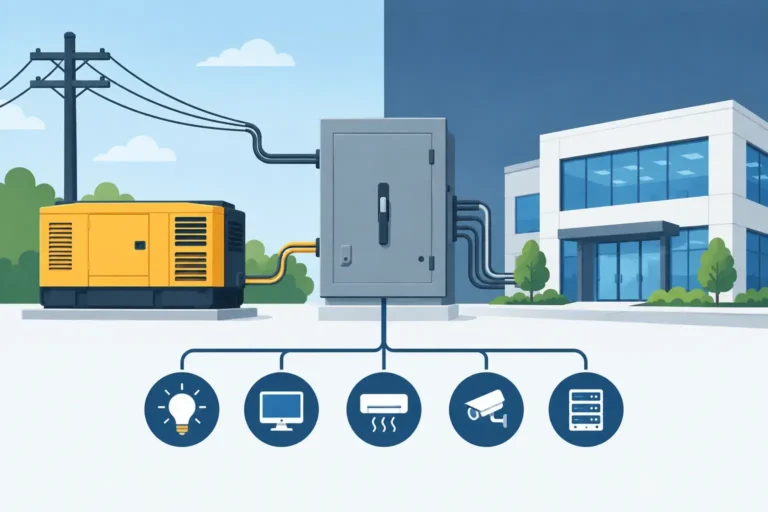
An EPS arrangement normally supplies essential circuits rather than every circuit in the building. This is often the most sensible starting point. A dedicated backup board can be designed to keep critical loads operating, such as lighting, refrigeration, internet equipment, alarm systems and selected socket circuits.
The advantage is control. By avoiding high-demand equipment during an outage, the battery can support the property for longer and the installation can remain proportionate to the need. It also makes expectations clear from the outset.
A full house backup system offers a broader level of continuity, but it needs closer assessment. Electric showers, ovens, immersion heaters, heat pumps, air conditioning and EV chargers can create substantial instantaneous demand. A full-house design may need larger battery capacity, higher inverter output, load management or automatic restrictions on certain appliances while the property is islanded from the grid.
Solar, storage and EV charging are being planned together
An EV charger is one of the largest electrical loads in many homes. When it is installed alongside solar and battery storage, it should not be treated as a separate add-on.
Smart charging can help a vehicle use available solar generation or charge when electricity tariffs are more favourable. During a grid outage, however, EV charging is usually not an essential load. A sensible resilience design will prioritise the building first, with clear controls over whether the charger operates from battery backup.
For businesses, the same principle applies to fleet or workplace charging. Demand management can prevent chargers from pushing a site’s supply beyond its available capacity at the wrong moment.
Electrical infrastructure is receiving overdue attention
Resilience is not achieved by adding equipment to an ageing or unsuitable installation. Consumer units, earthing arrangements, circuit condition and cable capacity all matter. In older properties, a rewire or consumer-unit upgrade may be the right first step before solar, batteries or EV charging are introduced.
This is particularly relevant to renovations and extensions. Planning energy systems alongside wider electrical work is usually cleaner, safer and more cost-effective than trying to retrofit every component later. It gives the installer the opportunity to position equipment properly, separate essential circuits and allow for future expansion.
What reliable backup power actually involves
A dependable backup installation is a complete electrical system, not just a battery fixed to a wall. It needs correctly selected equipment, safe isolation, suitable protective devices and a clear plan for what happens when the grid fails and when it returns.
The system must disconnect from the public network during an outage. This is known as islanding. It protects network workers and ensures the backup supply operates within safe limits. The changeover must be designed for the equipment and the property, whether it is automatic or requires a manual action.
Solar and battery installations may also require notification or approval through the local distribution network operator, depending on their size and configuration. A competent installer will address this as part of the project rather than leaving the property owner to resolve technical paperwork afterwards.
There are practical constraints to discuss openly. Backup duration depends on battery size, battery state of charge, weather, solar output and the loads in use. Winter solar generation is lower, and a battery cannot make a high-consumption lifestyle low-consumption during a prolonged outage. A well-designed system provides useful continuity, but it should be based on realistic priorities.
Choosing the right level of resilience
The best starting point is to identify what must stay on. For a family home, that might be refrigeration, a boiler or heating controls, lighting, Wi-Fi, alarms and charging for phones. For a landlord, it may be communal lighting, security and critical building services. For a small business, it could include a router, EPOS equipment, CCTV, emergency lighting or selected refrigeration.
Then consider how long those services need to run and what is acceptable to switch off. A short interruption may only require enough backup for essential circuits. A property in a more exposed location, a home with particular care needs or a business where downtime carries a direct cost may justify a larger battery and more comprehensive backup design.
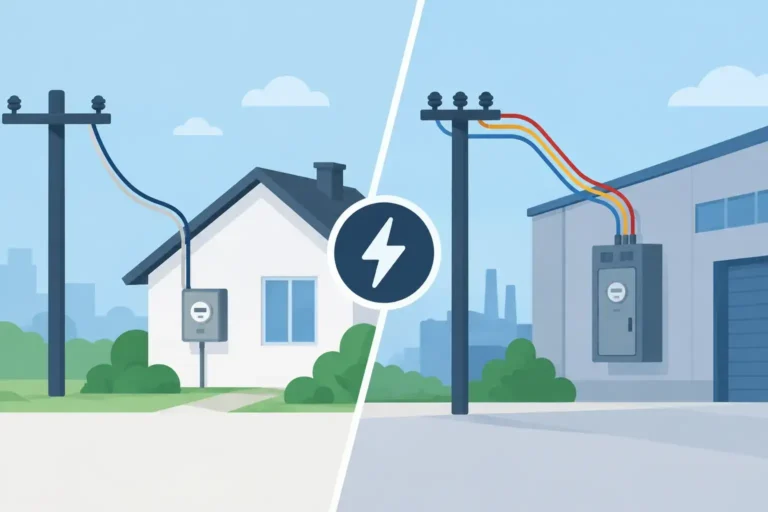
It is also worth considering the existing electricity supply. Single-phase and three-phase properties have different options, and larger homes or commercial premises may need more detailed load calculations. Future plans matter too. If an EV, heat pump, loft conversion or garden office is likely, allowing for it now can avoid unnecessary changes later.
A practical route from interest to installation
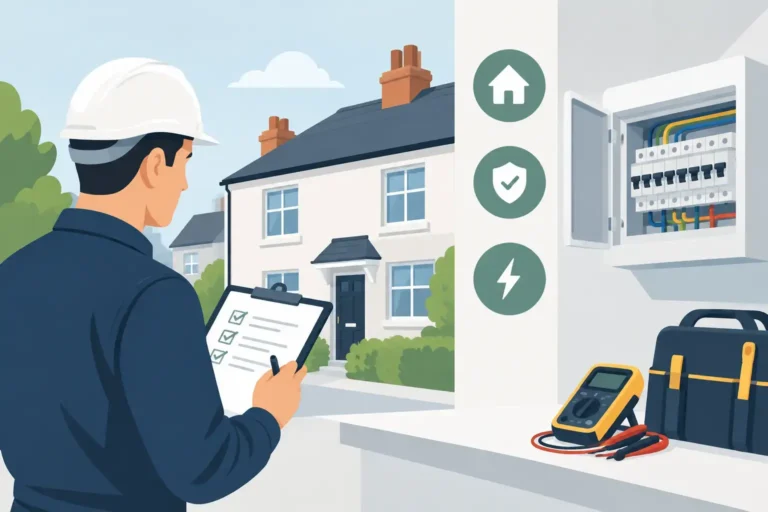
A site-specific survey should look beyond the roof and battery location. It should review the existing consumer unit, earthing, incoming supply, cable routes, likely shading, electrical loads and the circuits that need support. The aim is not to sell the biggest system. It is to specify a safe, high-quality installation that performs as expected.
For solar installations, MCS-backed design and installation give added reassurance that the system has been planned and fitted to recognised standards. For batteries and backup arrangements, workmanship is equally important because the system must operate safely in normal use and during an abnormal event.
At Home EESS, this joined-up approach brings solar PV, battery storage, EV charging, EPS and wider electrical work into one considered project. It is particularly valuable where a property needs a consumer-unit upgrade, new circuits or a complete renovation alongside renewable technology.
Resilience is a property decision, not a product choice
The most useful grid resilience trends are not about chasing the latest equipment. They are about making properties more capable: using more of their own solar power, reducing reliance on expensive imported electricity and retaining essential services when the grid is unavailable.
A carefully designed battery and backup system will not remove every uncertainty, but it can give a home or business a clear, practical plan for the moments when power matters most. Start with the circuits and services you would not want to lose, then build the right solution around them.