A new EV charger, solar array or home battery can expose an electrical question many property owners have never needed to ask: single versus three phase. The answer affects how much power your property can take from and return to the grid, the equipment that can be installed, and how practical full house backup may be during an outage.
It is not a case of three phase always being better. A well-designed single-phase installation is the right solution for many homes. The key is matching the supply to your present demand, your plans for the property and the capacity available from the local electricity network.
What is the difference between single and three phase?
Single-phase electricity is the standard supply for most UK homes. It provides one alternating-current supply at around 230 volts. In practical terms, it is suitable for everyday domestic loads such as lighting, kitchen appliances, heat pumps, solar inverters, home batteries and most EV chargers.
Three-phase electricity has three live conductors, each carrying the supply at a different point in its cycle. It typically delivers 400 volts between phases and can provide substantially more available capacity, with loads shared across those phases. You are more likely to find it in commercial premises, larger homes, workshops, blocks of flats and properties with energy-intensive equipment.
The incoming supply is not the same thing as your consumer unit. A consumer-unit upgrade can improve protection, circuit capacity and the organisation of your installation, but it does not turn a single-phase grid connection into a three-phase one. Any upgrade to the incoming supply must be assessed and carried out through the distribution network operator, often called the DNO.
Single versus three phase for a home
For a typical family home, single phase is often entirely appropriate. A 7.4 kW EV charger, a sensibly sized solar PV system and a battery can work very effectively on one phase when correctly specified. The outcome can still be lower electricity bills, more use of self-generated solar power and useful backup for selected circuits.
The practical limit is not simply the number of technologies installed. It is what may operate at the same time. An electric shower, induction hob, oven, heat pump, immersion heater and EV charger can create a significant peak demand. Add a larger solar inverter or battery system, and the design needs careful load calculations rather than assumptions.
Load management can make a major difference. A smart EV charger, for example, can reduce its charging rate when household demand rises. This helps protect the main fuse from overload while allowing you to charge when capacity is available. Timed charging can also take advantage of cheaper off-peak tariffs or surplus solar generation.
For many households, this approach avoids the cost and disruption of seeking a three-phase upgrade. It is a sensible route where charging is mainly overnight, electricity use is moderate and there is no need for very high-power equipment.
When single phase may start to feel restrictive
A single-phase supply may need closer consideration if you are planning several major electrical loads or a large renewable-energy system. Common examples include a large detached home with electric heating, multiple EVs, a workshop, a swimming pool, extensive air conditioning, or a substantial solar and battery installation.
A property may also have a limited main fuse rating or an older electrical installation. That does not automatically mean a supply upgrade is required, but it does mean the existing arrangement should be inspected before equipment is selected. Safety, earthing arrangements, protective devices and cable sizes all matter as much as the headline power rating.
When three phase makes sense
Three phase can offer more headroom and greater flexibility. Rather than placing every load on one supply, equipment can be distributed across three phases, helping to manage demand more evenly. This is particularly valuable for commercial sites and larger properties where simultaneous loads are expected.
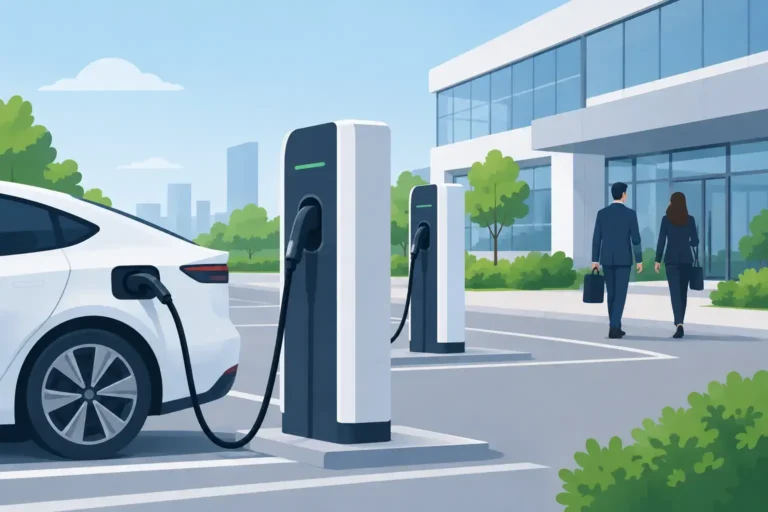
For EV charging, a three-phase supply can support faster AC charging where the vehicle, charger and network capacity allow it. A three-phase charger may be rated up to 22 kW, although many vehicles accept less than this on AC. There is little value in paying for a 22 kW charger if your car is limited to 7 kW or 11 kW, so the vehicle specification should be checked first.
Three phase can also suit larger solar PV systems. Inverters can be configured to export across all phases, subject to the agreed connection arrangement. This can make it easier to accommodate a larger system, but the permitted capacity is decided through the relevant DNO process. It should never be assumed from the size of the roof alone.
Businesses often benefit most clearly. A workshop with machinery, a small office with several EV charging bays, or a landlord upgrading a mixed-use building may need the additional capacity and load distribution three phase provides. Proper design also helps avoid nuisance tripping, voltage issues and uneven loading that can undermine an otherwise good installation.
Solar, batteries and backup power
Solar and battery storage should be designed around the electrical supply, not added as isolated products. On a single-phase home, the solar inverter and battery are normally connected to that one phase. They can still reduce imported electricity and store excess generation for use later in the day or evening.
With three phase, the design requires more decisions. You may have a three-phase inverter, phase-specific equipment, or an arrangement that manages energy across phases. The right option depends on the site’s demand profile, the battery technology, the proposed solar capacity and how you want the system to behave during an outage.
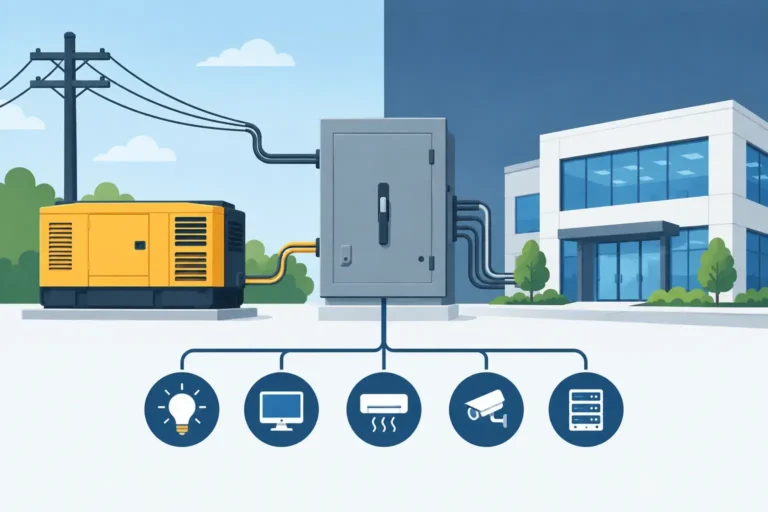
Backup is where the distinction becomes especially important. An emergency power supply is not automatically the same as full house backup. Some systems provide a dedicated backup circuit for essential loads such as lighting, refrigeration, broadband and selected sockets. Others are designed to support a much wider portion of the property.
On a three-phase property, full house backup requires a system capable of supporting all intended phases and loads. This needs detailed planning. High-demand equipment may be excluded, controlled or sequenced to preserve battery capacity and prevent overload when the grid is unavailable. A well-designed solution provides reassurance without making promises that the battery cannot realistically meet.
Do you need to upgrade to three phase?
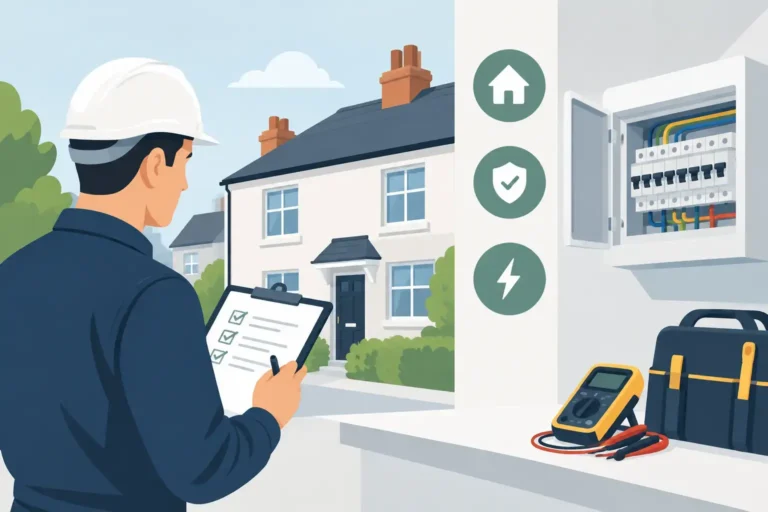
The starting point should be an on-site assessment, not the product brochure. An electrician can identify the existing supply type, main fuse rating, consumer-unit condition, earthing system and likely peak demand. For solar, the proposed inverter size and export requirements must also be considered. For EV charging, the vehicle, normal parking hours and charging priorities are equally relevant.
A three-phase upgrade may be worthwhile if it supports a long-term renovation, a growing business, several electric vehicles or a larger all-electric home. It can be less compelling if the only concern is fitting one EV charger or a modest solar and battery system. In those cases, intelligent controls and a correctly designed single-phase installation may deliver the same everyday benefits for less disruption.
Cost and programme are also variable. The work may involve the DNO, new service equipment, trenching or cable routes, metering changes and alterations to the consumer unit. Timescales depend on the network and the property, so it is best considered early in a refurbishment or energy project rather than after equipment has been ordered.
Choosing the right supply for the next decade
The best electrical design looks beyond the immediate installation. Consider whether you expect to add another EV, replace gas heating with a heat pump, extend the property, install air conditioning or increase solar generation. You do not always need to build for every future possibility on day one, but allowing for sensible expansion can prevent unnecessary rework later.
Home EESS approaches this as a complete electrical and energy conversation: your supply, your existing installation, the equipment you want now and the resilience you may need in future. That is how solar, storage, EV charging and backup can work together safely rather than competing for the same limited capacity.
A clear survey will turn single versus three phase from a technical uncertainty into a practical decision, leaving you with an installation that saves money, supports your plans and gives dependable power where it matters most.