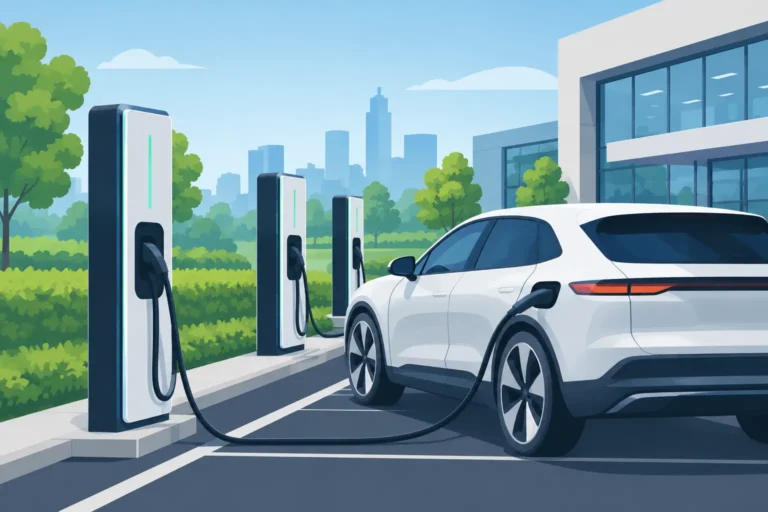
Pulling onto the drive and plugging in is one of the practical advantages of electric car ownership. A properly planned home EV charger installation gives you dependable overnight charging, better control of running costs and a system that is ready to work with solar generation or battery storage if you add it later.
The charger itself is only part of the job. Your property’s electrical capacity, the cable route, the parking arrangement and the way you use energy all affect what a safe, convenient installation looks like. Getting those details right at the outset helps avoid avoidable disruption and protects the long-term value of the work.
Start with how and where you park
The most suitable charger location is usually close to where the vehicle is parked, but it should not be chosen on distance alone. The charging cable needs to reach the vehicle inlet comfortably without creating a trip hazard across a footpath, drive or shared access route. The unit also needs a solid fixing point, sensible weather protection and enough room for safe use.
For a driveway, a wall-mounted charge point near the front or side of the property is often straightforward. A detached garage, carport or parking space at the end of a long drive may require more planning because the cable run can be longer and may need to cross external areas. In some cases, installing a suitable post is the better option. The goal is a tidy, durable installation that works in everyday weather, not a cable route that looks acceptable only on day one.
If you have off-street parking but live in a terraced property, access across the pavement must be considered carefully. Charging leads should never be run across a public footway. Local authority permissions and dedicated cable-channel solutions can vary by area, so this is a point to resolve before committing to a charger.
Check the electrical supply before choosing a charger
Many homes can support a 7 kW charge point, which is the common choice for single-phase domestic supplies. It can add a useful amount of range during an overnight charge and is considerably quicker than a standard three-pin socket. However, suitability depends on the existing installation, not simply on the charger you would like to buy.
An experienced electrical contractor will assess the consumer unit, main supply, earthing arrangement and available capacity. They will also consider other high-load equipment in the home, such as electric showers, induction hobs, heat pumps, immersion heaters and workshop machinery. A property with several electrical loads operating at once may need a charger with load balancing, sometimes called dynamic load management.
Load balancing monitors the household demand and adjusts vehicle charging when necessary. This helps prevent the charger from overloading the supply while still allowing the vehicle to charge when capacity is available. It is particularly valuable in homes with electric heating or where a future move to a heat pump is planned.
Some larger properties and commercial premises have a three-phase supply, which can allow faster charging where the vehicle and charger are compatible. It is not automatically the right answer, though. The vehicle’s own onboard charger sets a limit, and a higher-powered installation can involve greater cost. The right specification is based on your car, your daily mileage, available parking time and the electrical supply already in place.
Why a dedicated circuit matters
An EV charger should be supplied by a dedicated circuit with appropriate protection, isolators and cable sizing. It should not be treated as an add-on to an already busy circuit. This is safety-critical work carried out in accordance with current electrical requirements, including BS 7671.
In England, electrical work associated with a charger may also fall under Building Regulations requirements. A competent installer will handle the appropriate testing, certification and notifications, and will liaise with the distribution network operator where notification or approval is required. This paperwork is not an administrative extra. It provides a clear record that the installation has been designed, inspected and tested correctly.
Choose features that suit your energy plan
A basic charge point can be the right choice for a straightforward household. For many owners, the real value comes from smart charging. A smart charger can schedule charging for off-peak electricity periods, helping you make use of time-of-use tariffs without needing to remember to plug in at a particular hour.
App control is useful, but it should not be the only reason to select a unit. Look at charging reliability, cable length, weather rating, warranty, user access controls and whether the charger can remain useful as your energy system develops. Tethered chargers have a permanently attached lead and are convenient for regular use. Untethered units have a socket instead, which can look neater and can suit drivers who prefer to keep their cable in the vehicle.
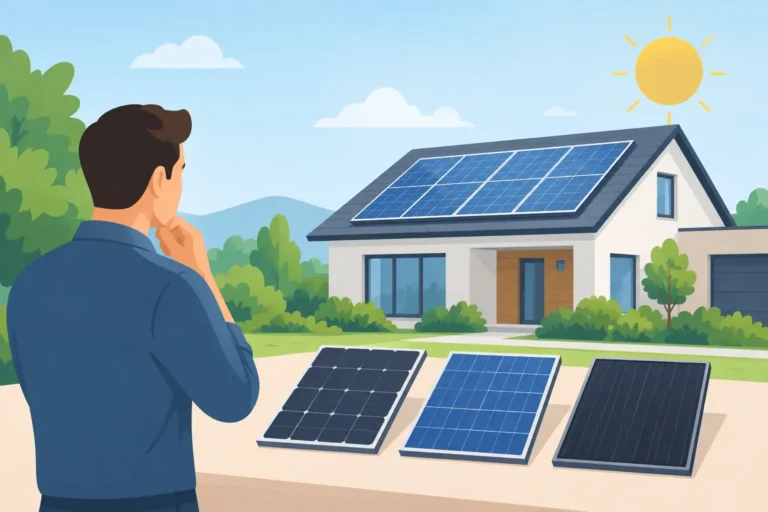
For homes with solar PV, a charger capable of solar-aware charging can make better use of surplus generation. Rather than exporting all available solar electricity to the grid, the system can direct surplus power into the car when conditions allow. This can be an effective way to lower charging costs, particularly for households that are at home during daylight hours.
There is a trade-off. Solar output changes with the season and weather, while vehicle charging needs can be immediate. A well-designed system should allow you to choose between charging from solar surplus, charging at a set rate or charging during the cheapest tariff window. If you also have battery storage, controls need to be set up carefully so the home battery and vehicle charger are working towards your priorities rather than competing for the same stored energy.
Plan for future changes, not just the car you own now
An EV charger is a long-term electrical addition to the property. Even if your first electric vehicle has a modest battery, a future vehicle may have different charging capabilities or your household may add a second EV. It can be sensible to install a cable route, consumer-unit capacity or load-management provision that supports later expansion.
This matters during renovations too. If walls, floors or landscaping are already being opened up, installing containment or an appropriate cable route at the same time can reduce future cost and disruption. Landlords may want to consider how access, billing and user permissions will work between tenants. Small businesses need to think further ahead about staff charging, visitor spaces and whether demand will grow as fleet vehicles change.
A site survey should also identify any wider electrical work needed before the charger can be installed. An older consumer unit may require upgrading, or an existing earthing arrangement may need attention. These are not reasons to cut corners or postpone the project indefinitely. They are the practical steps that make the finished system safe and dependable.
Understand the installation process
A quality installation begins with questions: where do you park, what vehicle do you have, how far is the proposed charger from the consumer unit, and are solar panels, storage or other electrical upgrades planned? A survey then confirms the cable route, electrical capacity and any visible constraints.
Once the design is agreed, the installer will fit the charger and dedicated supply, making good the route as neatly as the building allows. External cabling may be clipped, enclosed or buried depending on the location. The work should finish with inspection, electrical testing and a handover that explains how to operate the charger, schedule charging and respond to any fault indication.
Ask what aftercare is available. A charge point is a connected electrical device that may receive software updates and occasionally need settings adjusted after a tariff change, new vehicle purchase or solar installation. Long-term support from the contractor that designed the system is often more useful than choosing solely on the lowest initial quotation.
Cost, grants and value over time
The cost of home EV charger installation varies mainly with the condition of the electrical installation, charger specification, cable distance and groundworks. A short run to a modern consumer unit is very different from a long route to a detached parking area or a property that needs electrical upgrades first. A clear quotation should explain what is included, any assumptions made and the cost of additional work if unexpected site conditions are found.
Financial support schemes can change, and eligibility is not the same for every homeowner, landlord or business. It is worth checking current options before work starts, but the strongest case for a charger is usually everyday convenience and lower charging costs compared with regular public rapid charging. Pairing smart scheduling with the right electricity tariff can make a meaningful difference over the life of the vehicle.
Home EESS approaches EV charging as part of the wider electrical system, whether you need a single charge point or a coordinated plan for solar, battery storage and full house backup. The emphasis is on uncompromised workmanship, clear advice and an installation that remains safe and useful as your energy needs change.
A charger should make electric driving easier, not give you another system to worry about. Start with a proper survey, choose equipment that fits the way you live, and give the electrical foundations the same attention as the charge point on the wall. That is how home charging becomes a reliable part of lower-cost, more resilient energy at home.